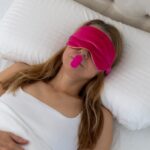
Mouth taping, once found in horror films, is now marketed as a sleep aid, appearing in pharmacies and online advertisements. Celebrity endorsements from figures like soccer star Erling Haaland and Gwyneth Paltrow have fueled its popularity among influencers. Proponents claim that it encourages nasal breathing, enhances sleep quality, improves dental hygiene, reduces morning breath, and may even strengthen the jawline.
Read More
However, sleep experts caution against its use. Dr. Brian Rotenberg, a professor of ear, nose, and throat surgery at Western University in Canada, notes that there is scant evidence supporting the health benefits of mouth taping and warns of potential risks. He argues that if there is no diagnosed cause for nasal blockage, mouth taping is misguided.
Experts generally advocate for nasal breathing, which offers various benefits. Dr. Aatif Husain from Duke University Medical Center emphasizes that the nose plays a crucial role in warming, humidifying, and filtering the air we breathe, thereby reducing the likelihood of illness or allergies. Research indicates that nasal breathing is also associated with lower blood pressure during rest. In contrast, mouth breathing can lead to dry mouth, bad breath, and dental issues such as receding gums. It can worsen snoring and lower the quality of sleep, which is particularly problematic for individuals with sleep apnea.
Despite its appeal as a simple solution, experts such as Husain stress that mouth taping should not replace necessary medical evaluations for snoring or sleep disruptions. Chronic mouth breathing may indicate underlying issues, such as obstructed nasal passages, allergies, or sleep apnea, which require medical attention.
A systematic review from 2025 analyzing ten studies involving 213 patients concluded that there is no substantial evidence supporting mouth taping as a solution for sleep-disordered breathing for the general populace. Although some studies reported minor improvements in snoring and sleep apnea, the data remains inconclusive. Calls for further high-quality research into the matter were also noted.
Though some argue that mouth taping might help with nasal breathing training post-correction of obstructions, risks are also present. Husain warns that those most likely to try mouth taping are also those with chronic breathing issues, who may experience negative effects if their nasal passages are obstructed.
Furthermore, untreatable sleep apnea can lead to serious health consequences such as cardiovascular stress, headaches, and chronic fatigue. The 2025 review notes potential serious health risks for individuals using mouth tape while having undiagnosed nasal problems.
In summary, while mouth taping may appear to be an attractive trend for improving sleep, it carries significant health risks and lacks solid evidence as a solution. Health professionals recommend addressing the underlying problems rather than masking them with mouth tape.