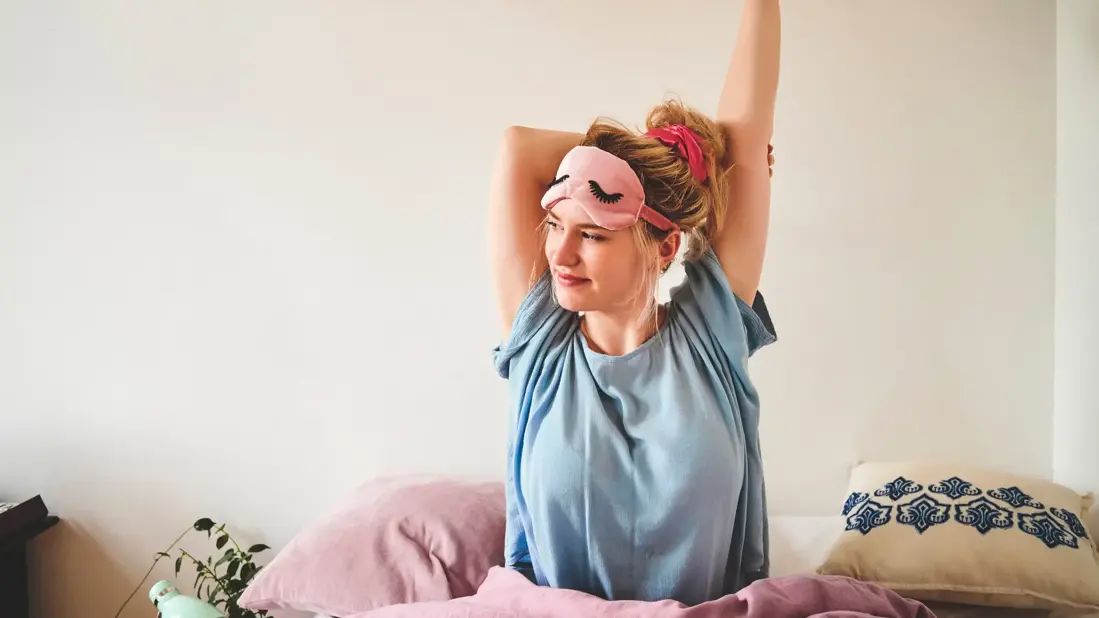
To enhance sleep quality, creating a dark environment is essential. While blackout curtains can effectively block light, sleep masks offer a simple solution by covering the eyes. These soft fabric masks are designed to help the brain transition into sleep mode by minimizing ambient light.
Read More
Sleep expert Dr. Samuel Gurevich acknowledges that while sleep masks are not a comprehensive solution for insomnia, they can be beneficial. He states, "A safe, calm environment is important for a good night’s rest, and blocking out light is part of that." Sleep masks can be particularly useful for individuals who sleep during the day or in well-lit environments.
The primary function of a sleep mask is to prevent light from reaching the eyes, which is significant because light can trigger wakefulness. Dr. Gurevich explains that any indication of potential danger, including light, can disrupt sleep. Masks create a dark environment, allowing the brain to relax and promoting melatonin production, a hormone that regulates sleep cycles.
Sleep masks may be especially advantageous for those who lack blackout curtains, work night shifts, experience insomnia, live in brightly lit areas, or travel frequently.
Although scientific research on the efficacy of sleep masks is limited, anecdotal evidence suggests their usefulness. Incorporating a sleep mask into a calming bedtime routine can signal to the brain that it's time to sleep. Dr. Gurevich notes, "Putting on an eye cover when you go to bed can be part of a ritual that conditions your brain to recognize everything’s safe, calm and comfortable."
Using sleep masks may lead to better sleep quality and deeper rest. The long-term benefits of consistent, good sleep include a reduced risk of cardiovascular issues and strokes, emphasizing the critical role sleep plays in overall health.
There are various types of sleep masks available, including:
- Silk masks, known for their soft feel and cooling properties.
- Weighted masks, which provide gentle pressure across the eyes, potentially enhancing relaxation.
- Cooling masks, designed to feel cool on the skin and soothe puffy eyes or warmth at night.
- Heated masks, offering warmth for relaxation, beneficial for individuals with dry eyes or eye strain.
Choosing the right sleep mask depends on personal preferences and specific needs. Dr. Gurevich advises selecting a mask that feels comfortable, fits snugly without being tight, and effectively blocks light without causing pressure on the eyes. He emphasizes the importance of personal comfort over aesthetics when choosing a mask.
It is crucial to note that sleep masks are not a substitute for good sleep hygiene or a treatment for sleep disorders. Individuals who struggle to achieve quality sleep should consult a healthcare professional for tailored solutions.