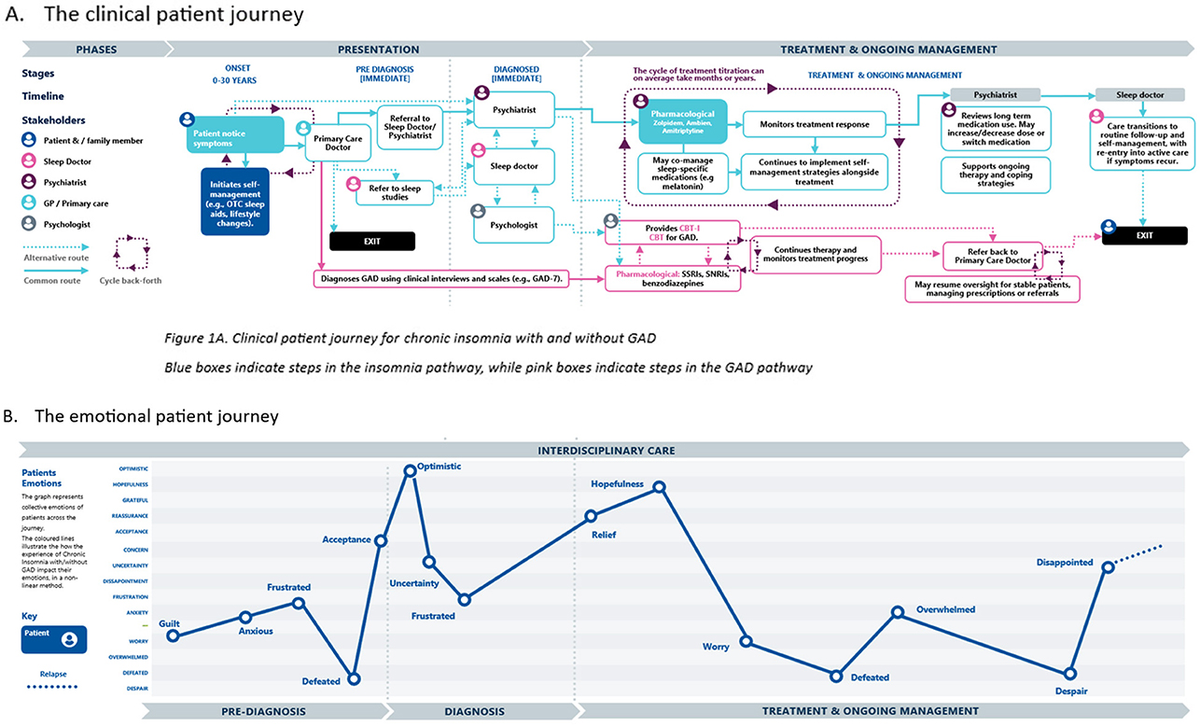
Chronic insomnia affects a significant portion of the population, leading to serious psychosocial and economic challenges. When this sleep disorder coincides with Generalized Anxiety Disorder (GAD), it complicates both the severity of symptoms and the treatment process. Despite its prevalence, chronic insomnia is often overlooked and inadequately treated within the current fragmented healthcare systems in the United States.
Read More
A recent mixed-methods study conducted across the US aimed to examine the journey of those suffering from chronic insomnia, particularly when combined with GAD. The research involved 29 semi-structured online interviews with 16 patients, five family members, and eight healthcare professionals. Qualitative insights were enhanced by quantitative data gathered using the Insomnia Severity Index (ISI) and Generalized Anxiety Disorder-7 (GAD-7) questionnaires.
Results indicated significant delays in seeking diagnosis and treatment, often lasting years or even decades. These delays were attributed to the normalization of symptoms, stigma associated with mental health conditions, and a preference for self-management strategies. Patients often expressed relief at receiving a formal diagnosis, yet their expectations for effective treatment were frequently unmet due to brief consultations and a lack of follow-up information about available therapies.
The treatment landscape revealed that healthcare providers frequently relied on pharmacological interventions rather than the recommended Cognitive Behavioral Therapy for Insomnia (CBT-I), which encounters access issues due to practitioner shortages and high costs. The study emphasized the emotional toll of chronic insomnia, noting that family members also bore the strain of their loved one's condition, highlighting the need for a more integrated approach that considers the involvement of families in the treatment process.
In conclusion, the study illustrates the challenges faced by patients with chronic insomnia and GAD, emphasizing the need for improved recognition of insomnia as a legitimate medical issue, increased accessibility to effective treatments like CBT-I, and the development of integrated care models that address both sleep and mental health concerns.