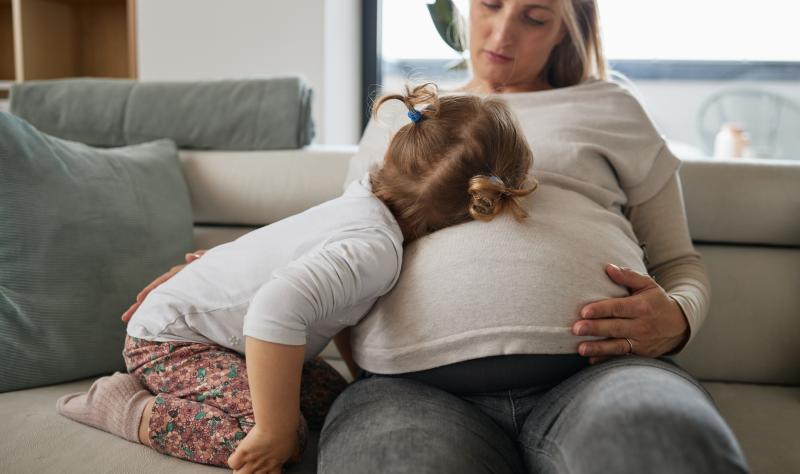
Children whose mothers experienced depression during pregnancy are at a higher risk of developing special educational needs, according to a study conducted by researchers from the University of Glasgow and published in PLOS Medicine. The research highlights that risks associated with untreated maternal depression cannot be solely attributed to the use of antidepressants during pregnancy.
Read More
The study analyzed health and education records for over 167,000 children born in Wales between 2009 and 2016, tracking them through 2022. Researchers assessed indicators of special educational needs, including learning and communication difficulties, autism, behavioral or emotional challenges, and attention-deficit hyperactivity disorder, while also reviewing maternal depression diagnoses and antidepressant prescriptions.
Among the children studied, 12,630 (7.6%) were exposed to untreated depression in utero, 7,005 (4.2%) were exposed to treated depression with antidepressants, and 5,996 (3.6%) were exposed to antidepressant medication without a documented depression diagnosis. After controlling for factors such as maternal age, smoking, and the child's sex, the researchers estimated that 20% of children not exposed to depression or antidepressants had special educational needs. This figure increased to 23.6% for those with mothers who had untreated depression and 26.5% for those whose mothers were both depressed and prescribed antidepressants. Children whose mothers had antidepressant prescriptions without a recorded depression diagnosis showed a similar risk increase at 26.3%.
The findings reveal that antidepressant exposure was associated with a 6.3% increase in special education needs for children not exposed to maternal depression, alongside an additional 2.9% increase for those exposed to maternal depression. The study concluded that maternal depression is linked to a higher likelihood of children having special educational needs, regardless of antidepressant use, although medication may pose an extra risk.
The authors noted a slight increase in risk associated with antidepressant use but cautioned that more severe maternal depression among those prescribed medication could account for this. Previous studies have also established a connection between untreated maternal depression and adverse neurodevelopment outcomes in children.
While the research acknowledges the risks associated with untreated depression, it does not advise women to cease taking antidepressants during pregnancy. The team emphasized that pregnant women should consult their healthcare providers to determine the best course of action. The American College of Obstetricians and Gynecologists similarly discourages discontinuing mental health medication solely due to pregnancy.