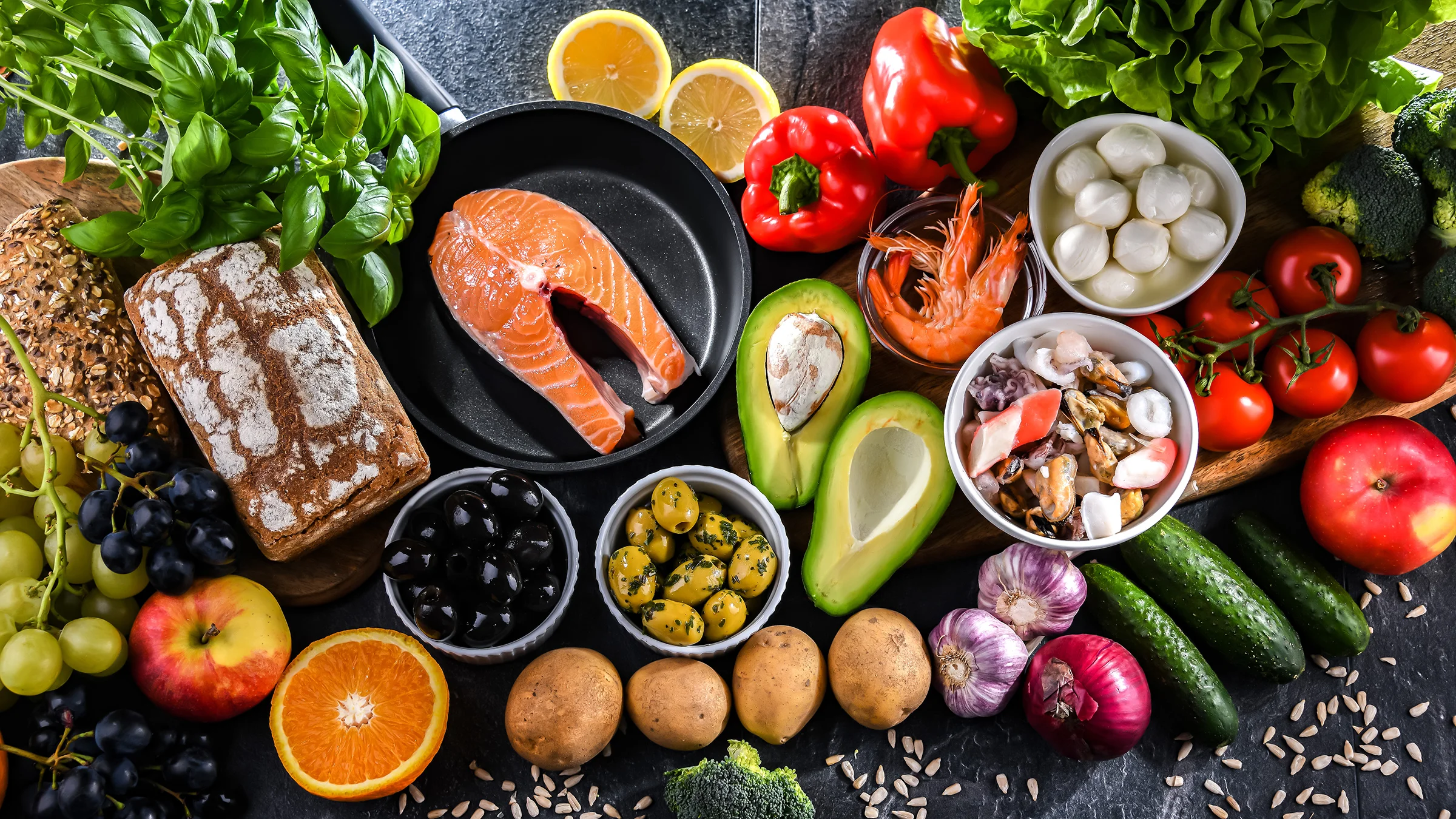
A new study from the University of Southern California (USC) has found that a Mediterranean-inspired diet low in protein but supplemented with essential amino acids can enhance healthy lifespan and reduce frailty in mice. The research, published in the journal Cell Metabolism, was led by Valter Longo of USC's Leonard Davis School of Gerontology and included collaborations with researchers from the University of Toronto and Harvard University.
Read More
The study involved feeding groups of 20-month-old mice one of four different diets: a standard diet, a high-fat Western diet, a low-carbohydrate ketogenic diet, or a low-protein diet supplemented with methionine, an essential amino acid commonly found in animal products. Mice on the supplemented diet showed significant improvements in healthspan, reduced fat mass, and lower frailty levels compared to those on the other diets.
The researchers also analyzed health data from over 200,000 individuals and found that a diet lower in animal protein similarly correlated with healthier outcomes, such as lower obesity and Type 2 diabetes rates. Longo emphasized the importance of amino acid composition over mere protein quantity in determining health benefits. According to the study, diets that are largely plant-based, with some fish included, may yield the best health results.
Maura Fanti, a USC Leonard Davis Research Associate and the study's first author, noted the dramatic metabolic changes observed in the mice fed the methionine-supplemented diet. The mice were able to consume as much food as other groups without losing lean body mass, suggesting that a lack of methionine, while still sufficient, led to beneficial outcomes.
The study revealed improved markers of cardiometabolic health in the LDMM mice, including increased levels of signaling molecules related to metabolism and aging. Although there are differences in metabolic pathways between mice and humans, the findings are encouraging and warrant further investigation in human clinical trials, according to Fanti.
Longo highlighted that while lower methionine levels can reduce frailty, excess methionine can negate the positive effects of this diet, indicating that specific amino acid intake is critical.
The researchers are now planning a controlled clinical trial to explore the effects of the longevity diet on humans. This study was funded by various grants, including from the National Institute on Aging and the National Institute of Health.