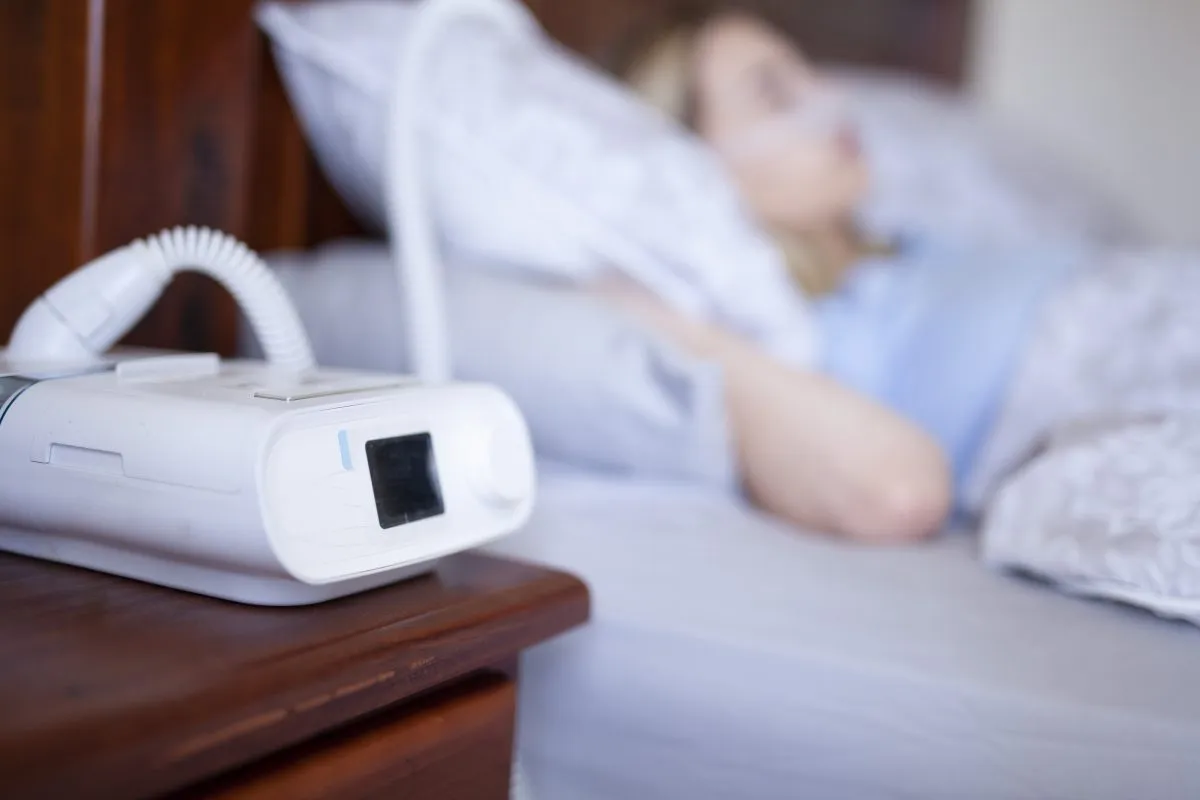
A review published in JAMA Otolaryngology–Head & Neck Surgery highlights the potential of GLP-1 medications, such as tirzepatide, for treating obstructive sleep apnea (OSA). While these drugs have been noted to reduce apnea-hypopnea index (AHI) scores, indicating fewer breathing interruptions during sleep, continuous positive airway pressure (CPAP) therapy is still considered the preferred treatment.
Read More
The study shows that GLP-1 medications significantly lower AHI scores, particularly with tirzepatide (Zepbound, Mounjaro), which also appears to reduce tongue fat. Dr. Ruchir P. Patel noted that tirzepatide primarily addresses obesity, a significant risk factor for OSA, but various other anatomical factors can contribute to the disorder, which weight loss alone may not resolve.
The analysis indicates that GLP-1 drugs may help stabilize breathing by affecting respiratory control sensitivity, leading to a reduction in apnea and hypopnea episodes. Users of GLP-1 drugs experienced a decrease of six to 22 episodes per hour, while CPAP machines reduced similar symptoms by approximately 31 events per hour.
Patel emphasized that significant weight loss does not always eliminate the risks associated with OSA, as issues may persist beyond obesity. He noted that 60% to 70% of OSA patients are obese, making obesity the primary modifiable risk factor.