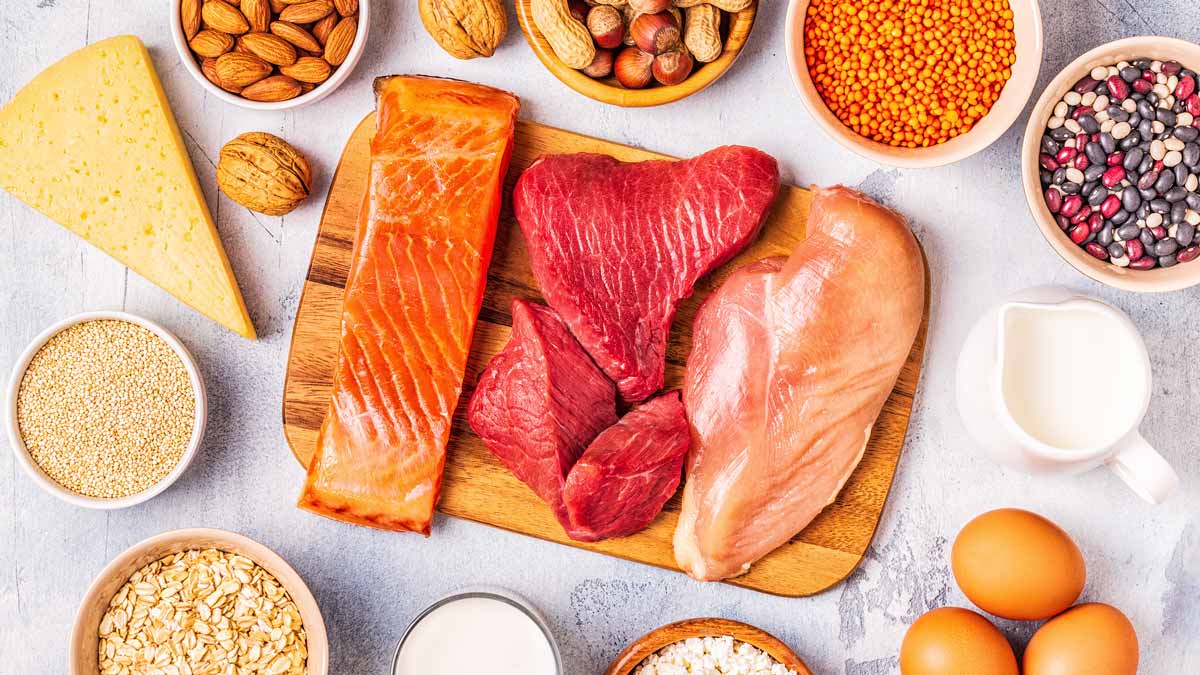
For over two decades, protein has been a focal point in healthy eating, yet many people remain uncertain about how much they actually need. A 2025 report from the International Food Information Council found that over a third of Americans have increased their protein intake within the past year, but nearly 80 percent are unclear about the daily protein requirement. Stuart Phillips, PhD, a protein researcher at McMaster University, states that protein has become a symbol of health, often misrepresented by social media and marketing claims.
Read More
The revised Dietary Guidelines for Americans (DGAs) have added to the confusion by suggesting increased protein consumption. According to Amy Keating, RD, a nutritionist at Consumer Reports, while older adults may require more protein than younger individuals, a balanced diet encompasses more than just protein.
Protein serves critical functions in the body, supplying amino acids needed for cell and tissue maintenance, as it is a primary component of muscles, hair, skin, hormones, and enzymes. Roger Fielding, PhD, a senior scientist at Tufts University, notes that our bodies constantly build and break down proteins, necessitating a sufficient intake of amino acids for this process. Aging individuals face natural muscle loss, starting around age 35, with a potential 20 percent decrease in muscle mass by age 75, leading to risks of frailty and illness. Fielding suggests that adequate protein may help mitigate this decline.
The DGAs recommend prioritizing protein foods at each meal and advise consuming 1.2 to 1.6 grams per kilogram of body weight daily, which is higher than the previous Recommended Dietary Allowance (RDA) of 0.8 grams per kilogram. For instance, a 150-pound person should aim for at least 75 grams of protein daily under the new guidelines compared to 54 grams based on the RDA.
Despite these recommendations, Keating points out that the impression of widespread protein deficiency may be misleading. Many individuals already meet or exceed the updated guidelines, with average protein intakes for men aged 19 to 50 at 96 grams and for women at 70 grams, as per the National Health and Nutrition Examination Survey data. Research, including a 2020 study in The Journals of Gerontology, indicates that higher protein consumption correlates with better strength and reduced fall risk, particularly in older adults or those undergoing weight loss.
The new protein recommendations reflect existing evidence related to muscle health. However, merely increasing protein intake is insufficient without accompanying activity; Phillips emphasizes that protein functions optimally with exercise, and a balance with caloric intake is vital to avoid weight gain.
To evaluate protein needs, individuals should consider current intake levels. Common protein sources include:
- 30 grams: 4 ounces of beef, chicken, or turkey
- 20 grams: ¾ cup of cottage cheese or 1 cup of edamame
- 10 grams: 2 tablespoons of peanut butter or 1 cup of quinoa
- 5 grams: 1 ounce of almonds or ½ cup of cooked peas
Regarding animal protein consumption, while the DGAs prioritize variety, meat and dairy should not dominate diets due to concerns about saturated fat and costs. Keating recommends focusing on lean meats and minimizing processed options to align with heart health guidelines.
Plant proteins, which include beans, nuts, and tofu, are encouraged as they provide additional nutrients and fiber. Research supports that replacing animal protein with plant sources can lower cardiovascular disease risk. For example, a 2024 study indicated a 19 percent reduction in heart disease risk among those consuming a higher proportion of plant-based protein.
Many foods outside traditional protein sources also contribute to protein intake, such as quinoa and oats. Keating emphasizes that the overall diet must include these foods to meet protein needs.
Protein powders and fortified foods are generally unnecessary, as whole food sources provide better nutrition. Richard Fung, a nutrition professor, cautions against over-reliance on protein powders, which may have added sugars or heavy metals, and suggests whole foods are superior for overall health.
Finally, while some may consume most of their protein during dinner, spreading it throughout the day is recommended to maximize protein utilization in the body. The DGAs suggest incorporating protein at every meal to support satiety and overall health.