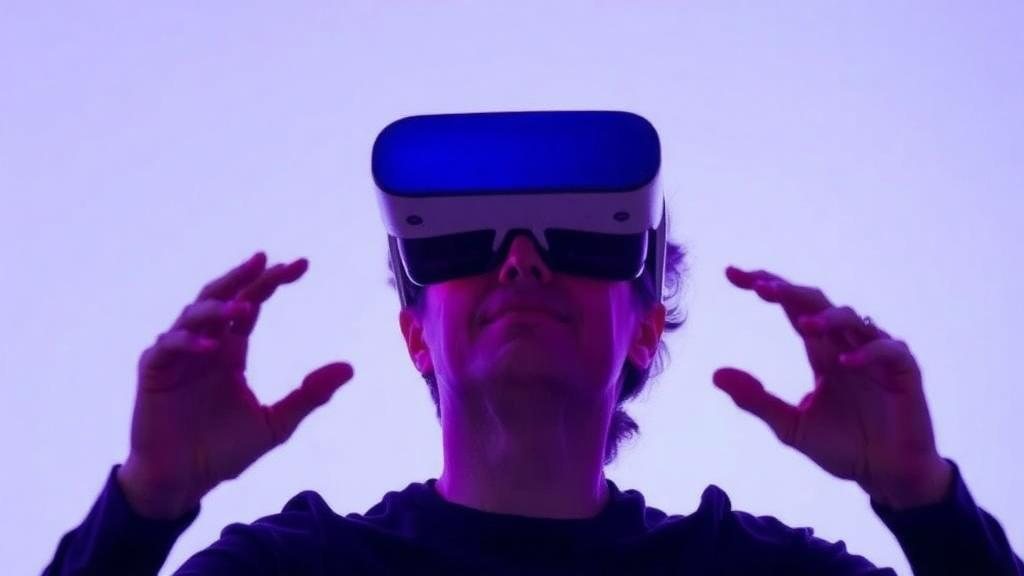
A comprehensive meta-analysis has revealed that virtual reality (VR) interventions can significantly reduce anxiety in cancer patients, providing a promising alternative to traditional anti-anxiety medications. A research team led by Aydanur Aydin from Gumushane University, along with Gülcan Bağcivan and Aleyna Özkan from Koç University, examined twenty-one studies published from 2000 to November 2025. Their findings were published in the journal Supportive Care in Cancer.
Read More
The analysis reported a standardized mean difference of −0.793, indicating that patients who used VR reported considerably lower anxiety levels compared to those who did not. This effect size is considered moderate to high, suggesting that immersive technology can have a substantial impact on psychological distress among oncology patients. The results showed consistent reductions in anxiety across various cancer types, including breast, prostate, and ovarian cancers, as well as in numerous clinical settings.
Researchers proposed that VR works by occupying a significant portion of a user’s attention, effectively distracting them from anxiety-inducing thoughts through immersive experiences. This includes environments designed to provide vivid sensory experiences, which can mitigate feelings of distress during chemotherapy and other procedures. Additionally, the review included therapeutic applications that integrated cognitive behavioral therapy and mindfulness techniques into the VR experience.
Safety data indicated that no major side effects were reported, with the most common complaint being mild motion sickness, which was easily managed by adjusting session times. This stands in stark contrast to traditional anxiolytics, which can lead to sedation and other adverse effects. The high patient satisfaction scores, averaging 4.47 on a five-point scale, further support VR’s potential acceptance in clinical settings.
The authors recommended integrating VR into routine oncology care, particularly during stressful treatment moments like chemotherapy administration. With advancements in VR technology making equipment more affordable and manageable, nurses could easily implement quick immersive sessions for patients, providing non-pharmacological support without additional medication.
However, the researchers acknowledged various limitations, including the differences in study design and sample sizes. They emphasized the need for further research to explore the long-term benefits of VR and its effects on other physical and psychological symptoms. Despite these challenges, the analysis signifies an important development in the use of immersive technology in cancer care, moving away from small pilot studies to a robust body of evidence supporting its clinical application.