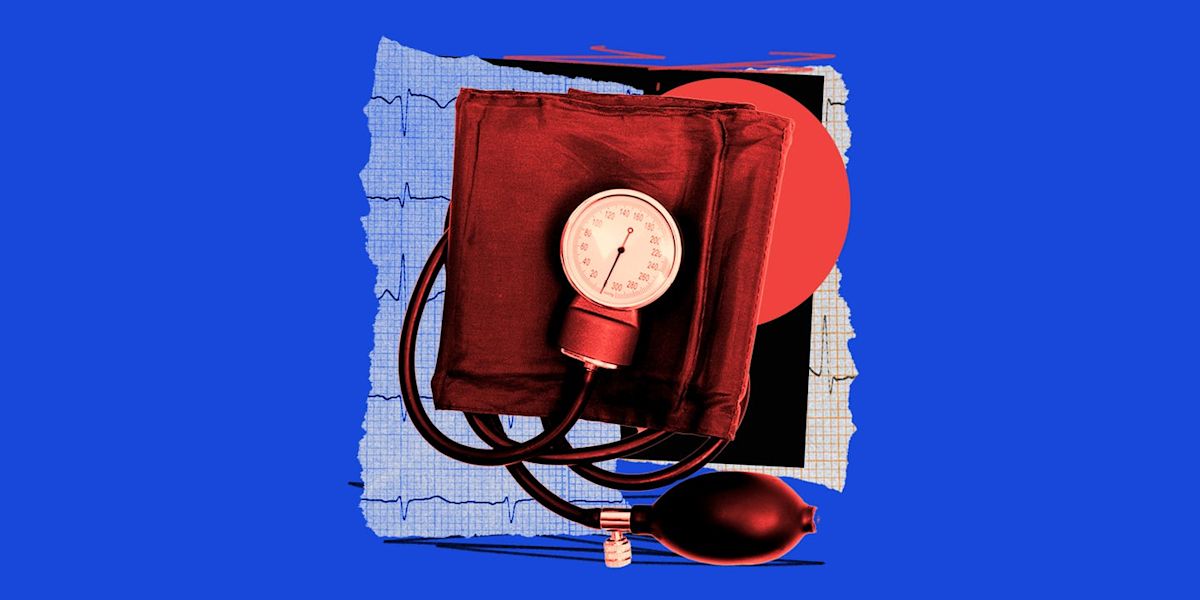
Nearly half of American adults suffer from high blood pressure, a condition that can lead to serious complications such as heart attack and stroke. Effective management often requires a combination of medication and lifestyle changes. A new study published in the journal Cardiology Clinics suggests that mindfulness practices may offer an additional approach to managing blood pressure.
Read More
The study analyzed data from 18 randomized controlled trials focused on psychological and mindfulness interventions. These trials varied in format, including app-based and in-person sessions, and typically lasted between six and 12 weeks. Researchers found that interventions incorporating mindfulness, optimism training, and gratitude led to significant improvements in blood pressure and other cardiovascular risk factors.
One notable finding was from a 12-week spirituality-based digital program that lowered systolic blood pressure by an average of 7.6 points. Additional programs, including an eight-week app-based intervention, encouraged participants to complete weekly sessions and small tasks aimed at improving diet and exercise. Another program prompted participants to increase their daily step count by 1,800.
The researchers concluded that daily mindfulness practices were particularly effective, stating that fostering psychological well-being might be a valid avenue for cardiovascular disease prevention.
Experts suggest that the positive effects of mindfulness on blood pressure management may stem from its impact on the body’s stress responses. Joseph Daibes, DO, an interventional cardiologist at Northwell's Lenox Hill Hospital, highlights that blood pressure is affected by more than just heart and blood vessels; factors like stress and psychological state also play a significant role. He explains that mindfulness can mitigate stress by promoting a calmer physiological state.
Hillary Ammon, PsyD, a clinical psychologist, adds that mindfulness can help users stay present, reducing anxiety about past and future events. Practices focused on gratitude and optimism may enhance resilience and encourage healthier behaviors that contribute to lower blood pressure.
While mindfulness may not be effective for everyone, it can serve as a beneficial supplement to traditional blood pressure treatments. The Mayo Clinic offers various mindfulness exercises for those interested. However, professionals recommend considering mindfulness, gratitude, optimism, and stress management as supportive measures rather than replacements for conventional medical treatment.