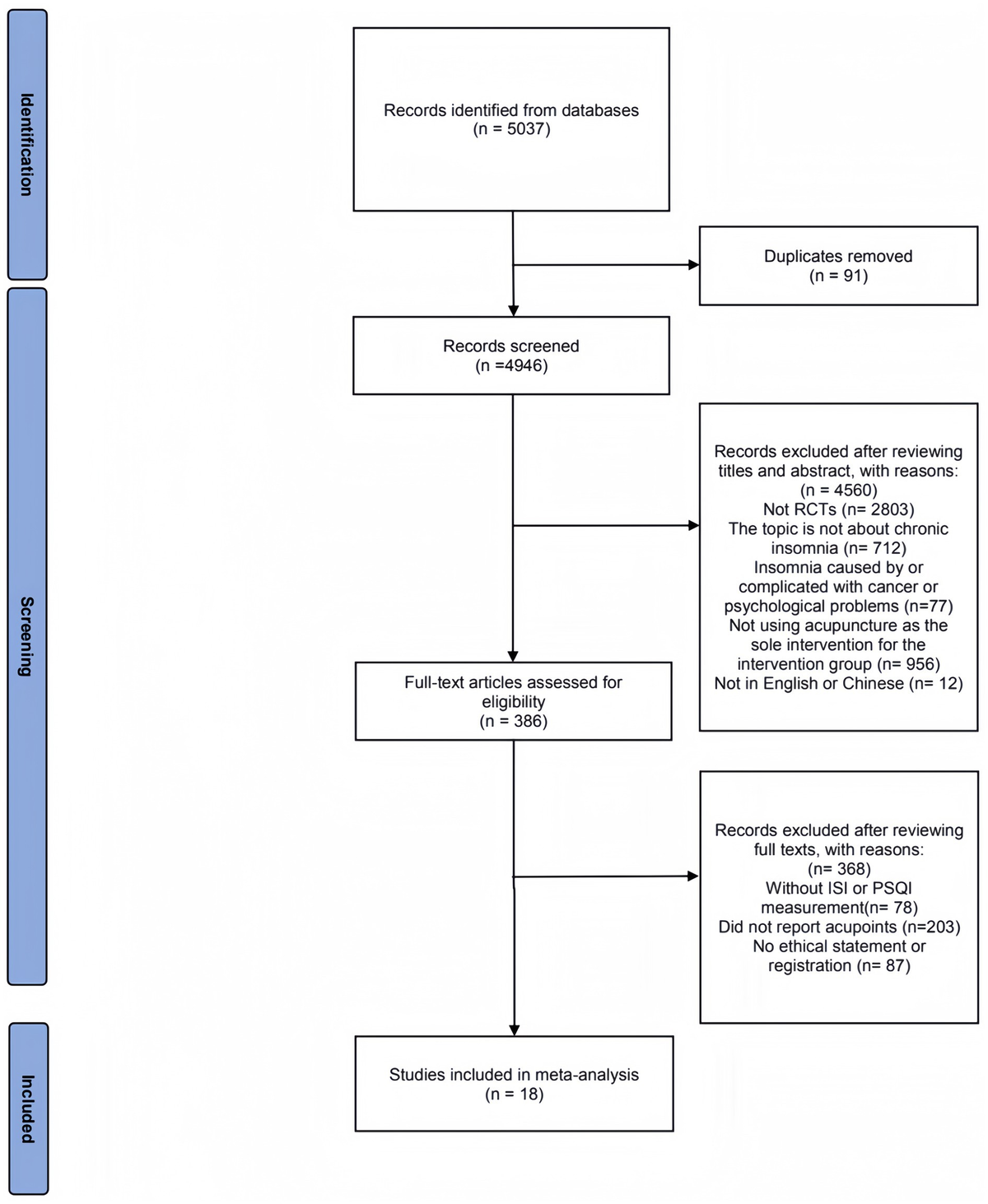
Insomnia is characterized by persistent difficulties with sleep initiation and maintenance, leading to significant daytime dysfunction and a decrease in quality of life. While acupuncture has gained popularity as a treatment for insomnia, its effectiveness in improving daytime dysfunction has not been thoroughly evaluated. This systematic review addresses this gap by analyzing data from 18 randomized controlled trials (RCTs) involving 1,767 patients. A total of 5,037 articles were screened from six electronic databases, and outcomes were measured using tools such as the Pittsburgh Sleep Quality Index (PSQI) and Insomnia Severity Index (ISI).
Read More
The analysis revealed moderate-quality evidence indicating that acupuncture significantly reduces insomnia severity and enhances cognitive functions such as memory ability while relieving cognitive impairment. Additionally, low-quality evidence suggested that acupuncture can improve sleep quality and reduce fatigue in chronic primary insomnia patients.
In-depth evaluation of data was conducted using Review Manager 5.4 and Stata 13, with the Cochrane risk of bias tool applied to assess RCT quality. Six electronic databases were searched up to September 1, 2025, including Embase, PubMed, and Web of Science. The review adhered to PRISMA guidelines and was registered under PROSPERO (ID: CRD42023442722).
The evidence suggests that acupuncture has the potential not only to mitigate nighttime insomnia symptoms but also to positively impact cognitive and daytime functions. Individual studies analyzed included various acupuncture formats, and measures showed acupuncture's significant influence on factors like subjective sleep quality, sleep latency, and overall sleep efficiency.
Secondary outcomes included improvements in daytime function assessments, reinforcing the notion that acupuncture can serve as an effective intervention for insomnia-related daytime dysfunction. The findings advocate for the integration of acupuncture into clinical treatment strategies for insomnia, emphasizing its dual benefits on nighttime sleep and daytime cognitive performance.