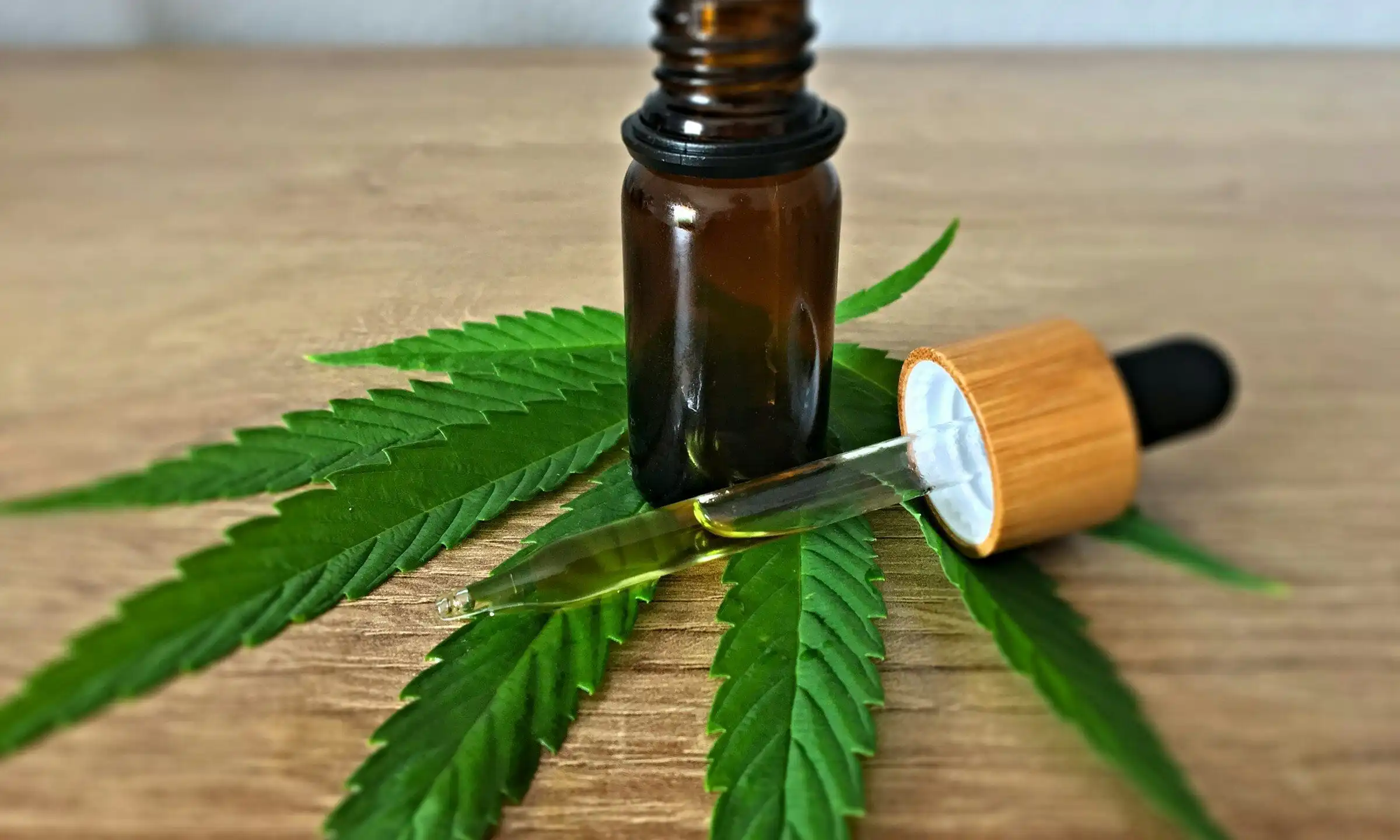
A recent study has found that full-spectrum cannabis oil is linked to improved quality of life and sleep satisfaction among medical marijuana users. The research, conducted by scientists at the State University of Montes Claros, evaluated 71 patients participating in Brazil’s medical marijuana program. Of these respondents, 37 percent were using cannabis for psychological conditions, 21 percent for neurological disorders, and 11 percent for chronic musculoskeletal pain, all of which can affect sleep.
Read More
Published in the journal Frontiers in Pharmacology, the study highlighted a positive correlation between sleep satisfaction and quality of life specifically for those using cannabis oil with a 3:1 THC-to-CBD ratio. Approximately half of the participants utilized cannabis preparations with a 6 percent concentration, while 20 percent used 9 percent, and 14 percent opted for a 3 percent concentration. Medical professionals supervised the treatment, conducting laboratory reviews to ensure medication adequacy.
The findings indicate that higher concentrations of cannabis oil and longer durations of treatment corresponded to better outcomes. The research noted that the supervised use of full-spectrum cannabis oil was associated with favorable perceptions of patients' quality of life and sleep, aligning with previous evidence in the field.
To assess the impact of medical marijuana, patients completed surveys based on the World Health Organization Quality of Life questionnaire, focusing on physical, psychological, social relations, and environmental domains, as well as a version of the Pittsburgh Sleep Quality Index over four weeks. The authors pointed out a significant connection between well-being and sleep, reinforcing links noted in prior reviews of cannabinoids and sleep quality.
While the study suggests that cannabinoid interventions might positively affect overall well-being by addressing issues such as sleep, relaxation, and anxiety, the authors stressed that the cross-sectional design limits the interpretation of causal relationships. They emphasized the need for longitudinal studies with comprehensive pre-treatment assessments to elucidate the mechanisms at work and the risk-benefit balance of prolonged cannabis use, particularly for high-THC products.
The research aligns with previously established benefits of cannabis for sleep and symptom relief. For instance, another study released earlier this summer revealed that marijuana-infused tea could enhance sleep quality and overall happiness. Additional evidence has shown that cannabis-infused beverages may help reduce alcohol consumption and elevate users’ overall well-being and sleep quality, with surveys indicating that about two-thirds of American marijuana users report better sleep.
Past studies involving over 3,500 patients demonstrated that medical marijuana could lessen reliance on other medications, including sleep aids, while reducing negative side effects. Recent research on older adults indicated that cannabis is a safe and effective option for addressing sleep disorders and associated conditions. Notably, 16 percent of Americans aged 21 and older reported using cannabis as a sleep aid, surpassing the use of prescription sleep medications and alcohol.
Further studies have confirmed that cannabis can benefit older medical patients and those with conditions like fibromyalgia. Surveys show that the use of marijuana among the elderly has significantly increased, often cited for its sleep-enhancing effects.
In 2023, federally funded research found that individuals dealing with anxiety experienced better sleep quality on days when they used marijuana compared to days without it. Overall, trends indicate a growing preference for cannabis among those seeking alternatives to traditional sleep aids and medications.