Research indicates that high-fiber diets provide significant health benefits, such as reducing the risk of cardiovascular disease and colorectal cancer, as well as alleviating arthritis symptoms. Despite these advantages, many Americans do not meet the recommended daily fiber intake of 25 grams for women and 38 grams for men. From 2013 to 2018, only 4% of U.S. adults achieved these recommendations, with the average intake around 16 grams.
Read More
In recent years, incorporating fiber into diets through fiber-rich foods or supplements has gained popularity. Meanwhile, the 2025 update to American dietary guidelines seems to diminish fiber’s significance, positioning high-fiber whole grains at the bottom of the inverted food pyramid. This has led to some confusion, as the guidelines still emphasize the importance of whole grains.
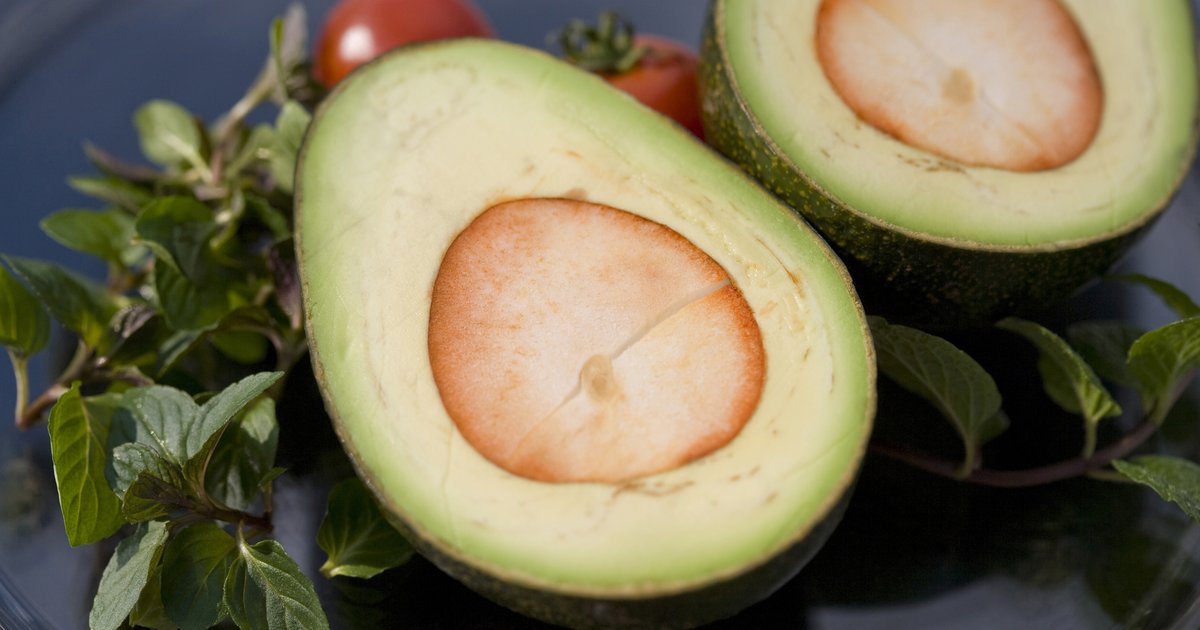
Dietary fiber consists of carbohydrates that the body cannot digest and can be found in numerous whole foods, such as raspberries, avocados, oats, lentils, and other legumes. Supplements like psyllium husk powder, known as Metamucil, are also available. Additionally, isolated fibers such as inulin are increasingly included in foods labeled as high in fiber.
Different types of fiber serve various functions. For instance, psyllium is a viscous fiber that forms a gel in water, which can promote satiety and contribute to lower cholesterol levels, improved blood sugar, and more regular bowel movements. Fermented fibers, processed by gut bacteria, can produce proteins that reduce inflammation; inulin, derived from chicory root and Jerusalem artichokes, is a notable example.
Experts advocate for a diverse range of fiber-rich foods due to their additional nutritional benefits, including antioxidants. While fiber offers substantial health advantages, probiotics—living microbes found in fermented foods like yogurt and kimchi—may also enhance gut health. Fiber serves as a substrate for gut bacteria, while probiotics introduce new beneficial bacteria.
A 2021 study highlighted differences in gut microbiomes of individuals on high-fiber versus high-fermented diets. Those consuming high-fiber diets exhibited more active gut microbiomes capable of enzyme production for fiber breakdown, whereas those on high-fermented diets had a more diverse microbiome and lower inflammation levels. This suggests that a combination of high-fiber and fermented foods may maximize health benefits.
To boost fiber intake, individuals should consider gradual incorporation to allow the body to adjust. Maintaining hydration is essential for optimal digestive health. It's vital to explore various fiber sources since personal tolerability and preferences vary. Some people may reach their fiber goals through whole foods, while others might rely on supplements or products with added fiber.
Ongoing research is needed to determine the most beneficial types and combinations of fiber and their effects. Observational studies have shown correlations, such as a link between higher whole grain intake and lower arthritis risk, but further clinical trials are necessary for confirmation.
Despite existing knowledge on fiber’s benefits, challenges remain in educating the public and improving access to affordable, high-fiber foods.