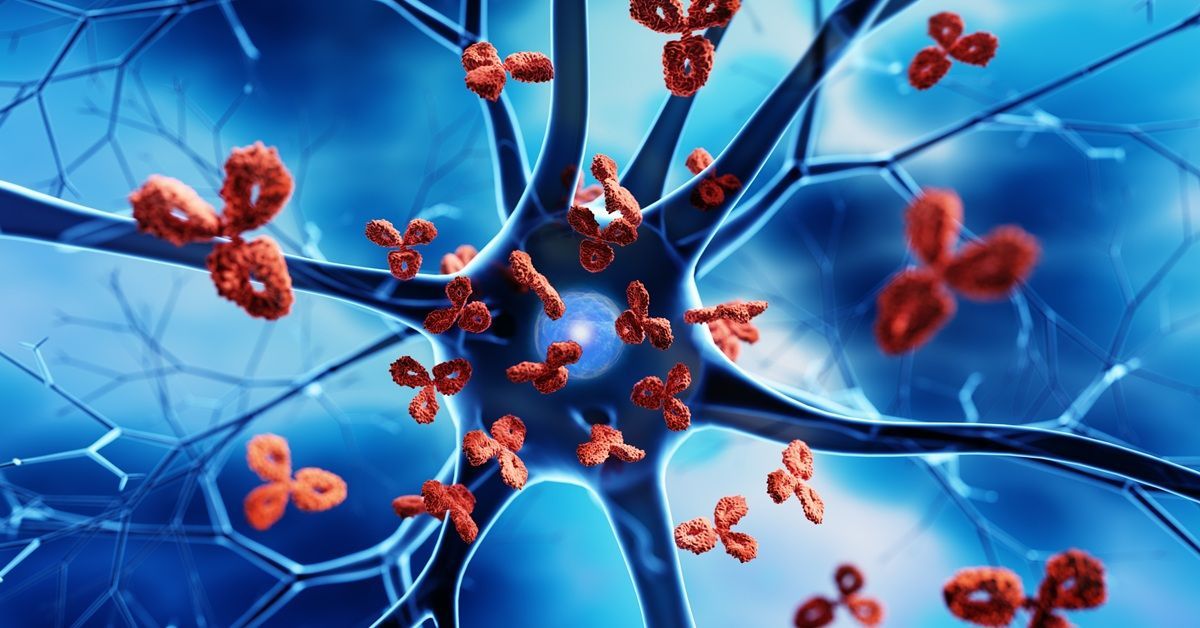
A recent study involving over 1,000 U.S. Marines indicates that higher levels of the natural anti-NMDAR1 antibody may reduce the risk of depression and PTSD following traumatic brain injury (TBI). This research, led by scientists from the University of California San Diego School of Medicine and the Veterans Affairs San Diego Healthcare System, suggests potential new avenues for identifying individuals at risk and developing therapeutic interventions.
Read More
Published on September 15, 2026, in *Molecular Psychiatry*, the study revealed that Marines with elevated levels of anti-NMDAR1 antibodies experienced approximately 25% lower rates of depression and around 22% lower PTSD symptoms in the aftermath of TBI. Notably, these antibody levels remained stable for a year or more post-deployment, pointing to a potential long-term biological trait that could offer protection against these psychological conditions.
Traumatic brain injuries affect approximately 20 million individuals globally each year and are associated with significantly increased risks of depression and PTSD. However, not all individuals who experience a TBI develop these psychiatric symptoms, sparking interest in the role of immune markers like anti-NMDAR1.
The researchers assessed blood samples and conducted psychiatric evaluations of 1,025 Marines before and after a seven-month deployment to Afghanistan from 2011 to 2013. Among those with a history of TBI, individuals in the highest quartile for anti-NMDAR1 antibody levels showed markedly lower scores for both depression and PTSD compared to those with lower levels. These individuals were also less likely to report moderate-to-severe depression and had a lower reliance on psychiatric medications after returning.
Anti-NMDAR1 antibodies target NMDA receptors, which are vital for memory formation and information storage in the brain. While these antibodies are linked to anti-NMDAR encephalitis, which causes severe neurological symptoms, this study presents evidence suggesting that the natural form of the antibody may provide protective effects after brain injuries.
Victoria B. Risbrough, PhD, a co-senior author of the study, noted, "We were excited to find that a naturally-occurring immune marker could act almost like a built-in protective factor against some of the most disabling consequences of brain injury." She emphasized that understanding how these antibodies function could facilitate the identification of at-risk individuals and lead to new intervention strategies.
One hypothesis posits that the anti-NMDAR1 antibodies found in Marines are of the IgM subtype, which are too large to penetrate synaptic gaps, thus blocking damaging receptors outside those gaps. This blockade may mitigate additional brain injury following TBI.
Previous research from the same team indicated that smaller IgG versions of the antibody, which can fit into synaptic gaps, were associated with cognitive impairment in mice. The findings imply that the size of the antibody may dictate its functional impact on brain health.
Although ketamine is known to block similar receptors and is used as an FDA-approved treatment for depression and PTSD, the effects of naturally occurring anti-NMDAR1 antibodies are thought to persist significantly longer in the bloodstream.
While the study presents promising correlations, the authors stress that further investigation is necessary to confirm the protective role of anti-NMDAR1 antibodies following TBI. Additional contributors to the research included Melonie N. Vaughn, Jenna M. DeWit, and others from UC San Diego, along with Kate A. Yurgil from Loyola University. The study received funding from the National Institutes of Health and the U.S. Department of Veterans Affairs.