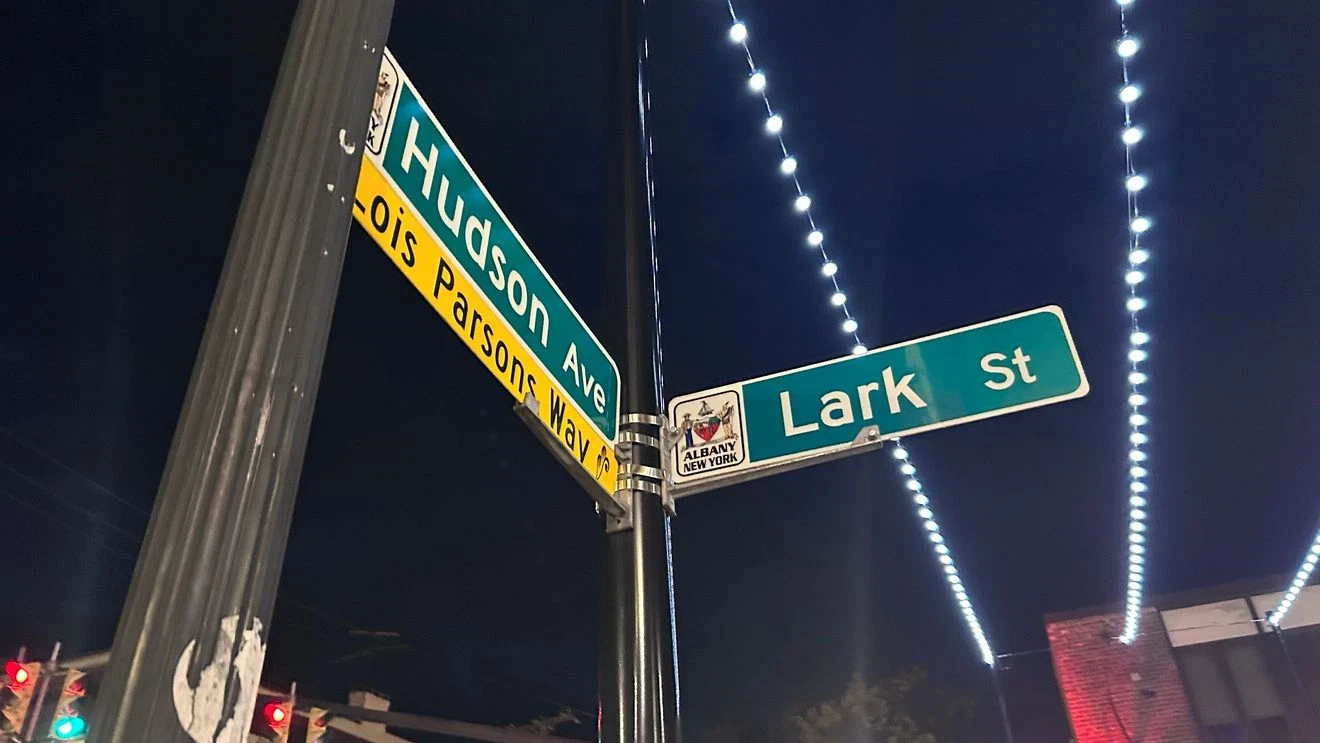
On Tuesday night, Albany residents, city leaders, police officers, and mental health professionals convened on Lark Street for a community discussion centered on public safety and the potential role of enhanced mental health services in addressing local concerns.
Read More
The meeting aimed to foster collaboration between community members, city officials, law enforcement, and mental health providers to discuss partnerships and improve access to services geared towards creating safer neighborhoods. A key point raised was the invisibility of mental health issues; one participant noted, “When it comes down to mental health, you can't look at a person and tell that they're suffering.”
Albany County Mental Health Department Commissioner Stephen J. Giordano, Ph.D., highlighted various county programs designed to meet community needs. He remarked, “We have a number of programs that I mentioned tonight, from the whole crisis team to our streets and car hygiene team, in response to community need,” specifically addressing the challenges on Lark Street, identified as a hotspot for concern.
The conversation also focused heavily on issues relating to the unhoused population, as residents voiced their worries about behaviors observed in their neighborhoods. One resident inquired about actions regarding individuals engaging in harmful behaviors, such as discarding used needles or defecating in public spaces.
Sgt. Hill from the Albany Police Department’s Community Engagement Unit explained that officers collaborate with county mental health professionals following interactions with individuals in need. “Once we have interacted with them, we then reach out to our mental health partners here in Albany County,” Hill stated.
Community advocate Eric Thompson emphasized the necessity for greater community involvement in assisting those in need. He called for the mobilization of residents to connect individuals with resources, stating, “We need to reach out to our community members… the people who are closest to the problem, closest to the solution.”
Giordano acknowledged the availability of significant state funding for mental health initiatives but also pointed out challenges in funding allocation. He asserted the positive impact of local mental health programs, stating, “We’re helping more people than we have… we’re changing people’s lives for the better.”
Participants underlined that addressing mental health needs is integral to broader efforts aimed at fostering safer neighborhoods in Albany.