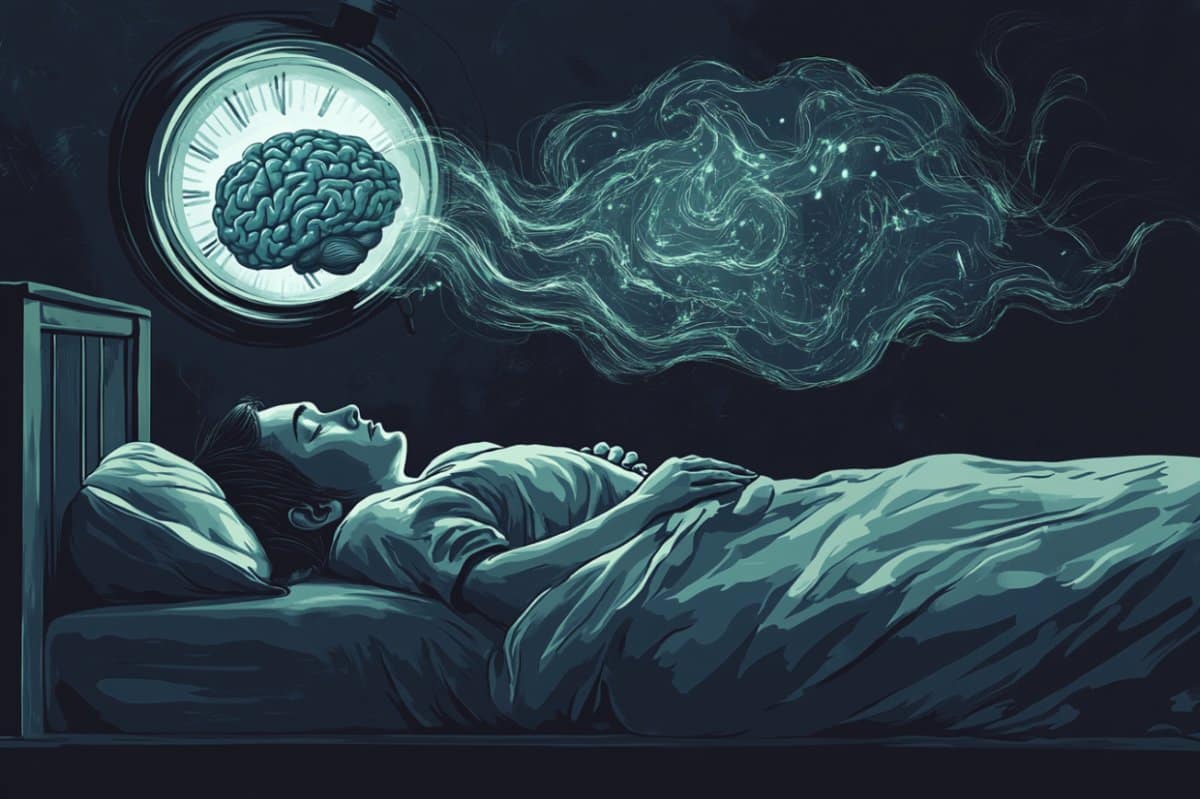
Sleeping for more than nine hours a night may negatively impact brain health, particularly among those experiencing symptoms of depression, according to a recent study. Researchers at The University of Texas Health Science Center (UT Health San Antonio) examined data from nearly 2,000 dementia-free adults and discovered that extended sleep duration is correlated with poorer cognitive performance, especially in memory, visuospatial ability, and executive function. This relationship is notably stronger in individuals with depressive symptoms, regardless of their use of antidepressants.
Read More
The study utilized data from 1,853 participants in the Framingham Heart Study, which focuses on the health of residents in Framingham, Massachusetts, and is directed by the National Heart, Lung, and Blood Institute. Participants ranged in age from 27 to 85, with a mean age of 49.8 years. Vanessa Young, the study's clinical research project manager at the Glenn Biggs Institute for Alzheimer’s and Neurodegenerative Diseases at UT Health San Antonio, noted that those who reported sleeping longer were also more likely to exhibit symptoms of depression.
The results, detailed in the paper titled "Long sleep duration, cognitive performance, and the moderating role of depression: A cross-sectional analysis in the Framingham Heart Study," published in Alzheimer's & Dementia on April 21, suggest that excessive sleep could be a modifiable risk factor for cognitive decline among those with depression.
Sudha Seshadri, founding director of the Biggs Institute and senior author of the study, indicated that long sleep duration—not short sleep—was associated with reduced global cognition and specific cognitive deficits in memory and executive functions. The study categorized participants based on depressive symptoms and antidepressant use, showing that prolonged sleep was linked to decreased overall cognitive function, particularly in those with depressive symptoms.
The findings also align with the understanding that sleep is a crucial physiological process for maintaining brain health, as disturbances in sleep are common in both normal and pathological aging and can increase the risk of cognitive deficits and Alzheimer's disease. The Global Council on Brain Health recommends that adults aim for 7 to 8 hours of sleep each night to preserve cognitive function.
As approximately 90% of individuals with depression report sleep issues, the study highlights a significant association between sleep disorders and depression, advocating for personalized sleep recommendations based on mental health status. The researchers concluded that future longitudinal studies are necessary to further investigate the temporal relationship between sleep disturbances and cognitive changes.