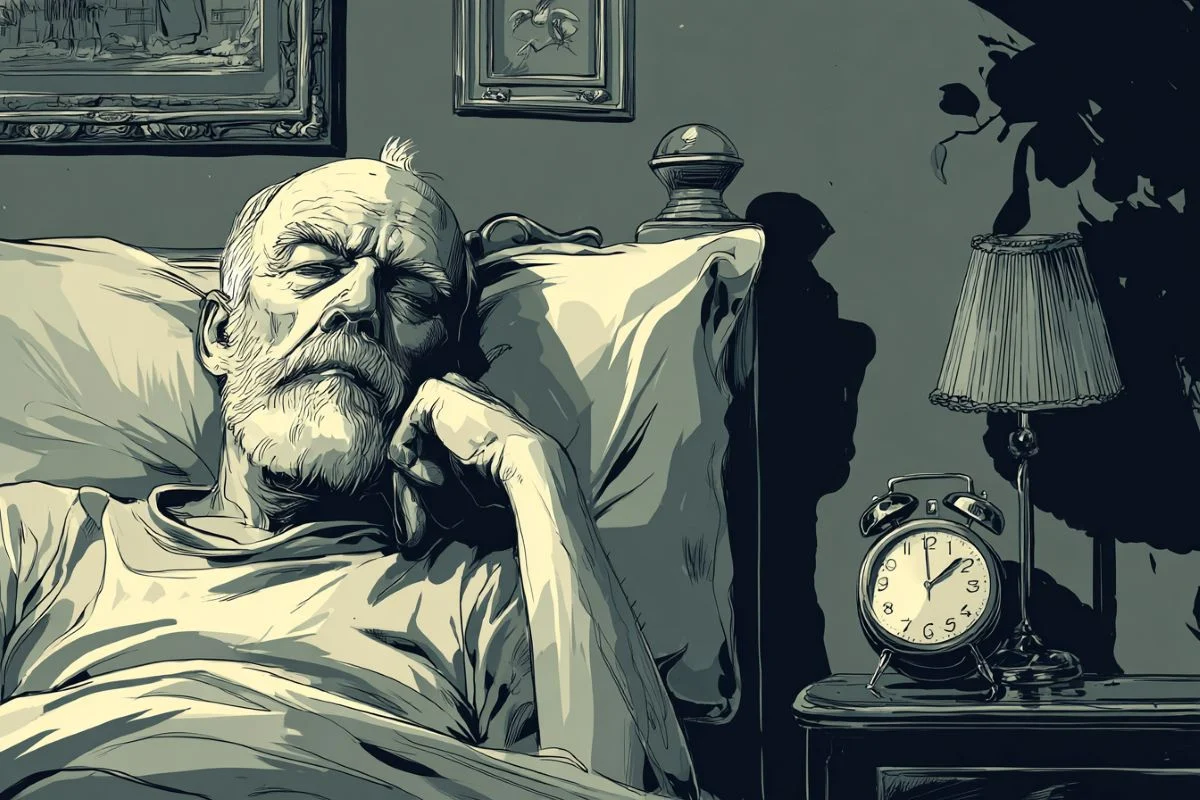
A recent study has revealed that feeling older than one’s chronological age significantly predicts poor sleep health. This phenomenon, termed “age discrepancy,” correlates with increased insomnia severity, irregular sleep patterns, and daytime impairments, affecting overall physical well-being.
Read More
The research evaluated 3,177 adults with an average age of 42.8 years, of whom 49% were female. Participants completed a detailed online survey assessing subjective and chronological age, insomnia severity, sleep quality, sleep regularity, depression, anxiety, and self-reported physical health. Researchers calculated age discrepancy by subtracting chronological age from subjective age and expressing it as a percentage.
Findings indicated that adults perceiving themselves as older reported more severe insomnia symptoms and greater sleep-related impairments, which in turn were associated with poorer self-reported physical health. The study counters traditional views that sleep decline stems solely from biological aging or mental health issues, establishing age discrepancy as an independent risk factor for poor sleep health. This relationship persisted even when controlling for factors such as age, sex, race, depression, and anxiety.
Principal investigator Dr. Joseph M. Dzierzewski, Senior Vice President of Research and Scientific Affairs at the National Sleep Foundation, emphasized the need for public health messaging to evolve. Understanding and managing subjective aging is vital for improving sleep health and overall quality of life.
This research highlights the profound impact that one’s perception of aging can have on sleep quality and emphasizes the necessity of addressing subjective age to enhance long-term health outcomes.
The study's findings will be presented at the upcoming SLEEP 2026 annual meeting.