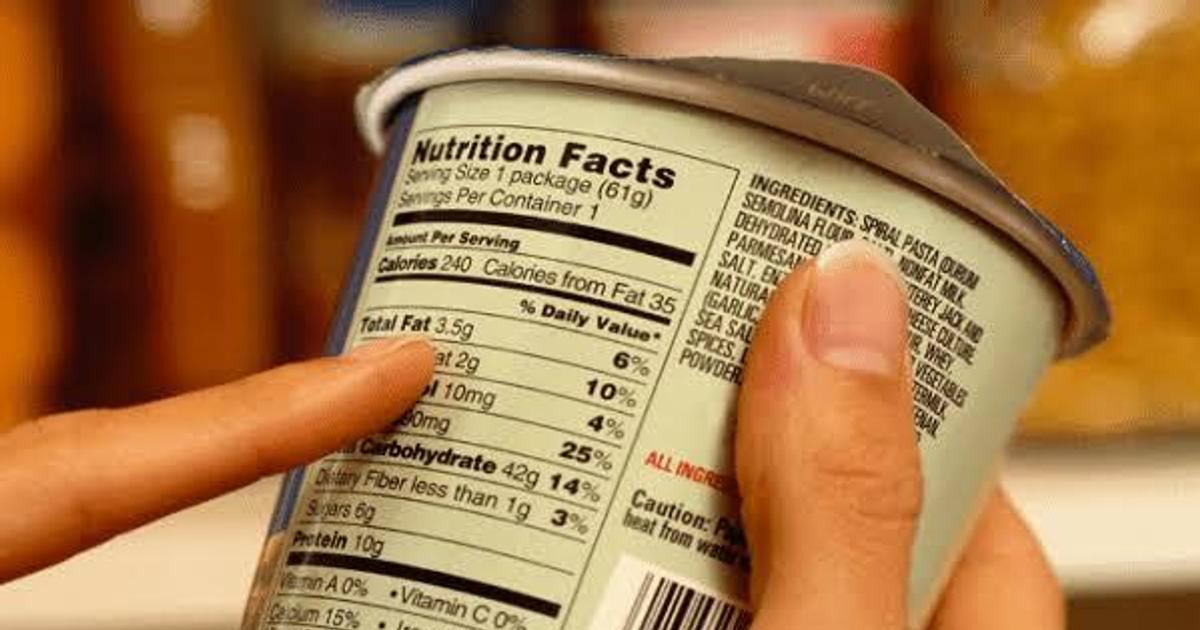
Reading food labels is crucial for making informed dietary choices, according to Ghana's dietary guidelines. These guidelines emphasize the importance of checking ingredients, serving sizes, and nutrition information, along with front-of-pack warnings that highlight key nutrients like sugar, salt, and fat.
Read More
The guidelines advocate that consumers should scrutinize packaged food labels rather than solely relying on brand names, prices, and marketing claims such as "natural," "high protein," or "low fat." Taking the time to read labels can reveal important details about the product's contents and nutritional value.
Food labels must provide information on ingredients, nutritional content, quantity, and storage instructions. Ghana’s Food-Based Dietary Guidelines specifically recommend reviewing these labels before purchasing food items.
Front-of-pack labeling serves to simplify the identification of nutritional content. The World Health Organisation (WHO) regards such labelling as supplemental information that aids consumers in understanding food properties and making better purchasing decisions.
In Ghana, a campaign is currently underway to enforce mandatory front-of-pack warning labels on foods high in sugar, salt, and saturated fats. Launched in September 2026, the initiative is backed by the Ministry of Health and the Food and Drugs Authority. This measure aims to allow shoppers to quickly identify important nutritional warnings, rather than struggling with detailed nutrition tables.
However, even with clear front-of-pack warnings, it is still vital for consumers to examine the rest of the label. The ingredients list reveals what is actually contained in the product, helping consumers look beyond marketing claims.
Ghana's Food and Drugs Authority mandates that all pre-packaged food labels include an ingredients list alongside other essential information. Consumers should pay close attention to the amounts of sugar, fat, saturated fat, and sodium, especially if they are managing their intake of these nutrients.
It is also important to consider the serving size listed on the nutrition panel, as it often refers to a single serving rather than the entire package. Before purchasing, consumers should check the best-before or use-by date, which is also required by Ghana's FDA.
Marketing can sometimes create misleading perceptions about a product's healthiness. Attractive packaging or health-related claims do not guarantee nutritional value, so it's essential to review the actual nutrition information.
Making a habit of reading food labels doesn’t have to be overwhelming. Shoppers are encouraged to pause and review the label before placing an item in their basket, ensuring they look at ingredients, serving sizes, nutrition information, and any prominently displayed warnings.
The goal is not to make shopping stressful, but to empower consumers with the information needed to make healthy choices. As Ghana moves toward stronger front-of-pack warning labelling, cultivating the habit of reading food labels will help consumers better understand their purchases beyond just names and marketing.