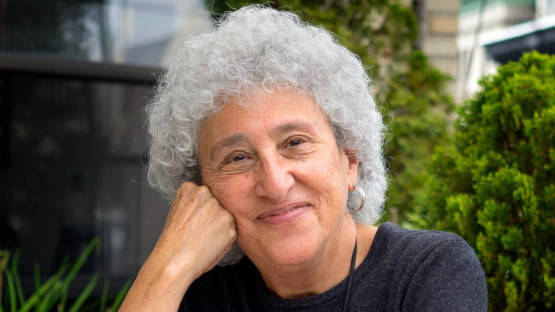
Marion Nestle, a prominent professor emerita at New York University, will deliver a talk on March 19 from 4 to 5 p.m. in Schurman Hall, Lecture Hall 4/5, focusing on the recent 2025-2030 Dietary Guidelines for Americans. The event, hosted by Cornell Public Health, is free and open to the public, with light refreshments available at 3:30 p.m.
Read More
Nestle’s presentation, titled “Food Politics in the Trump Era: The 2025-2030 Dietary Guidelines for Americans,” will delve into how political factors, industry influence, and ideological shifts have altered American food recommendations, which she argues have implications beyond nutrition alone. The new guidelines have drawn criticism from nutrition scientists for excluding key recommendations from an independent advisory committee, replacing the established MyPlate graphic with an inverted food pyramid that prioritizes meat and full-fat dairy.
While supporters of the guidelines commend their tougher stance against ultra-processed foods and added sugars, critics, including Nestle, express concern about a departure from scientific transparency in the guidelines’ creation. She stated, “Bottom line, these new guidelines represent a political message, not a scientific one,” and highlighted concerns that the guidelines contradict long-standing nutritional principles.
Every five years, the Dietary Guidelines for Americans are updated through a review process conducted by an independent committee. For the 2025-2030 edition, a 20-member panel invested two years in research concerning diet and health equity before submitting their findings in December 2024. Many of their suggestions were omitted in the final guidelines, which officials say prioritized strict dietary science over health equity.
This version also neglected to address environmental sustainability, a critical aspect gaining traction in global nutrition discourse. Amidst allegations of extensive lobbying by beef and dairy interests, Nestle remarked on the implications these guidelines hold for public trust in science-based policy-making, stating, “There’s evidence that there was immense lobbying around these guidelines.”
Nestle’s extensive career has positioned her as a key voice in nutrition policy discussions. She has served as a senior advisor at the U.S. Department of Health and Human Services and authored the influential book “Food Politics: How the Food Industry Influences Nutrition and Health.” Her analysis of the new guidelines has been described as “cheerful, muddled, contradictory, ideological, retro.”
The impact of these guidelines extends beyond individual dietary choices, affecting federal feeding programs and influencing food industry practices nationwide. Nestle's talk will explore how these dynamics shape nutritional advice and public health policy, emphasizing the need for clarity and integrity in federally issued dietary guidance.