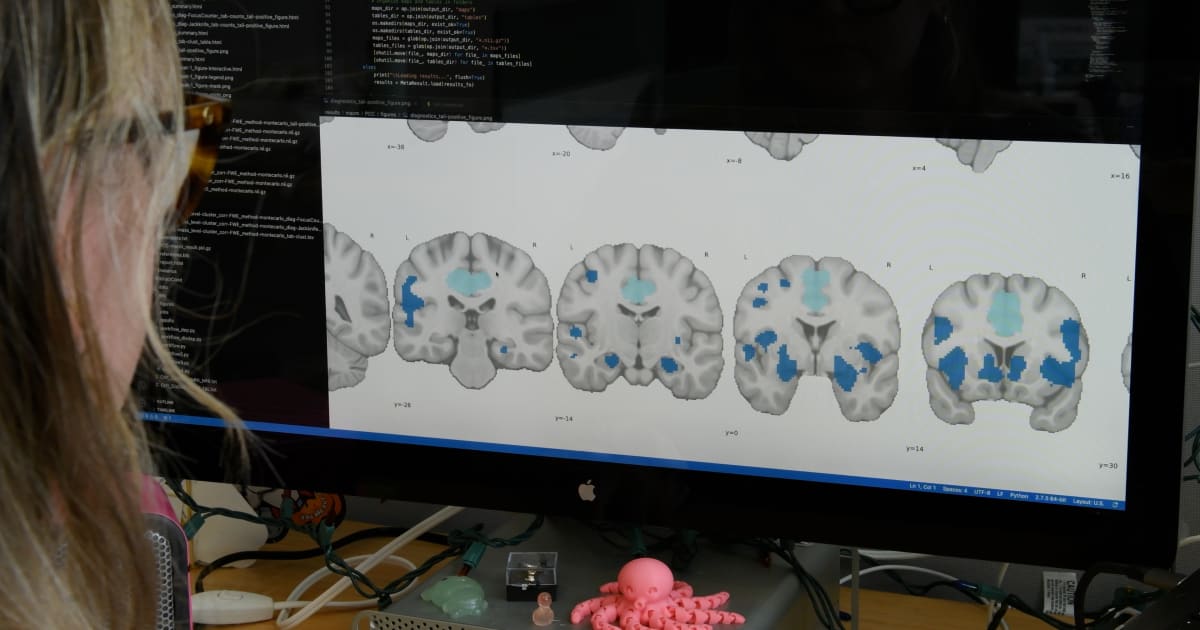
A recent study from Florida International University (FIU) indicates that sleep disorders can lead to structural changes in brain regions associated with attention, motivation, and decision-making. Published in the journal Scientific Reports, this research provides a detailed analysis of how various sleep disorders impact brain architecture, which could inform earlier diagnoses and targeted treatments.
Read More
An estimated 50 to 70 million Americans suffer from sleep disorders. To explore the brain's response to various sleep conditions, FIU's Center for Children and Families conducted a meta-analysis of 57 imaging studies focusing on adult brains. This study uniquely examines multiple types of sleep disorders collectively, identifying both shared and distinct patterns in brain structure.
The analysis categorized disorders into two main groups: dyssomnias, such as insomnia and sleep apnea, which affect the ability to sleep, and parasomnias, including sleepwalking and nightmares, which disrupt sleep cycles. Researchers found significant decreases in the thalamus, a crucial brain structure for information filtering, focus, and higher-level cognitive functions. Notably, they identified structural changes in the pulvinar, a thalamic component responsible for directing attention and cognitive control.
These findings correlate with altered brain networks engaged in focus and task performance, helping to elucidate why poor sleep can lead to slower response times, impaired decision-making, and a higher risk of errors and accidents. "As more people recognize how important sleep is, there’s growing urgency to understand what’s happening in the brain," stated Matthew Sutherland, the study's senior author and a cognitive neuroscientist at FIU.
The study also showcased unique patterns in individuals with parasomnias, revealing alterations in the posterior cingulate cortex—an area associated with motivation, decision-making, and emotional regulation. This might account for mood, behavioral, and emotional changes experienced by those with parasomnias.
Despite the significant findings, researchers did not observe consistent structural changes that were unique to dyssomnias, implying that sleep disorders may differently impact the brain depending on the nature of the sleep disruption. The team aims to utilize these insights to enhance interventions aimed at improving sleep and safeguarding brain functions related to attention, decision-making, and emotional regulation.
Future research will focus on specific parasomnias, such as sleepwalking and REM sleep behavior disorder, to determine whether the identified brain changes are causes, consequences, or both.