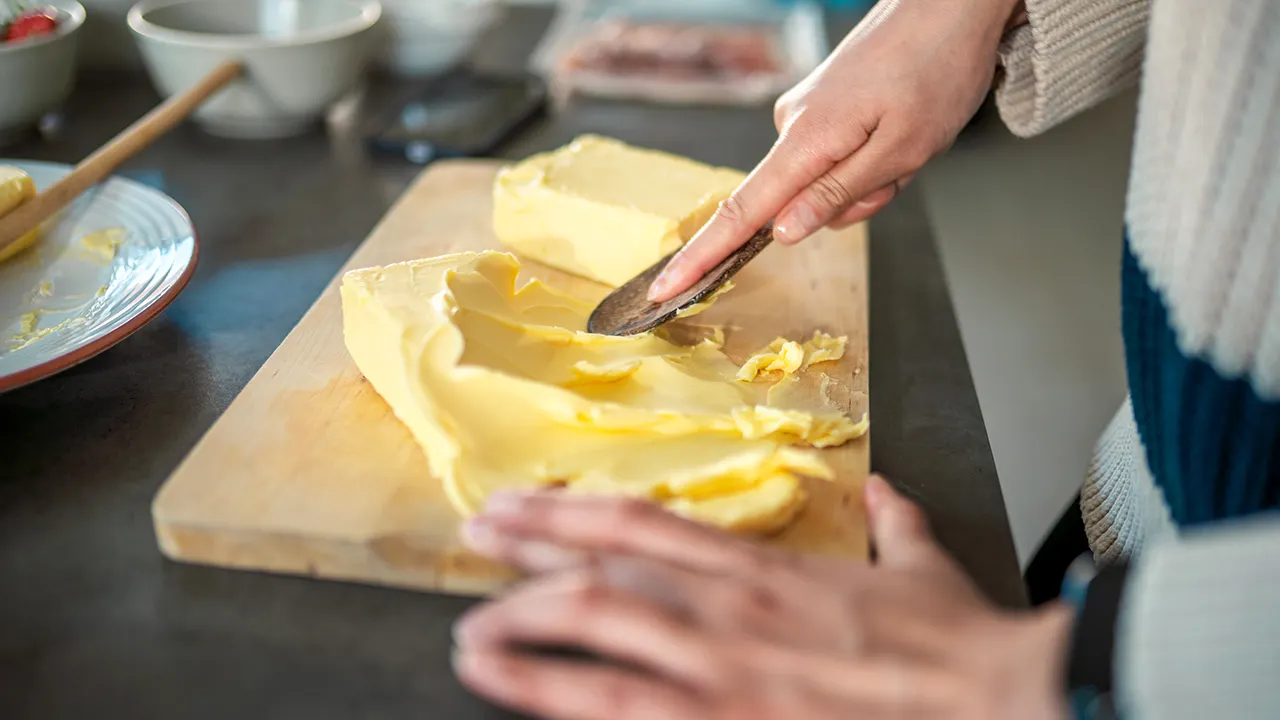
The discussion surrounding butter and beef tallow in cooking continues, with differing views from U.S. nutrition authorities. Although the 2025–2030 Dietary Guidelines for Americans, created by the Department of Health and Human Services (HHS) and Department of Agriculture (USDA), endorse both as healthy cooking options, the American Heart Association (AHA) is advocating for caution.
Read More
The Dietary Guidelines, released in January, suggest prioritizing oils rich in essential fatty acids, like olive oil, while also permitting the use of butter and beef tallow. However, the AHA emphasizes a more conservative approach, warning against the consumption of high-fat animal products like butter and tallow, citing associations with higher cardiovascular risks.
Andrew Nixon, a spokesperson for HHS, affirmed that both the HHS and AHA share common foundational principles, including promoting real food and minimizing processed options. The AHA reinforced its commitment to work with various sectors to make healthy choices more accessible.
In contrast, California chef Andrew Gruel stressed that the fat debate overshadows broader cooking practices. He argues that using higher-quality fats could enhance flavor while reducing overall fat usage. Gruel, connected to the Make America Healthy Again (MAHA) movement, advocates for a diverse range of cooking fats, including lard and schmaltz, to achieve a more pronounced flavor in dishes.
Furthermore, Gruel points out the drawbacks of low-quality industrial seed oils often found in processed foods. He encourages preparing meals at home as a means to reduce fat intake while emphasizing that olive oil remains a widely accepted option among health advocates.
As discussions continue, health professionals and culinary experts strive to find common ground on the best approaches to cooking fats and overall dietary choices.