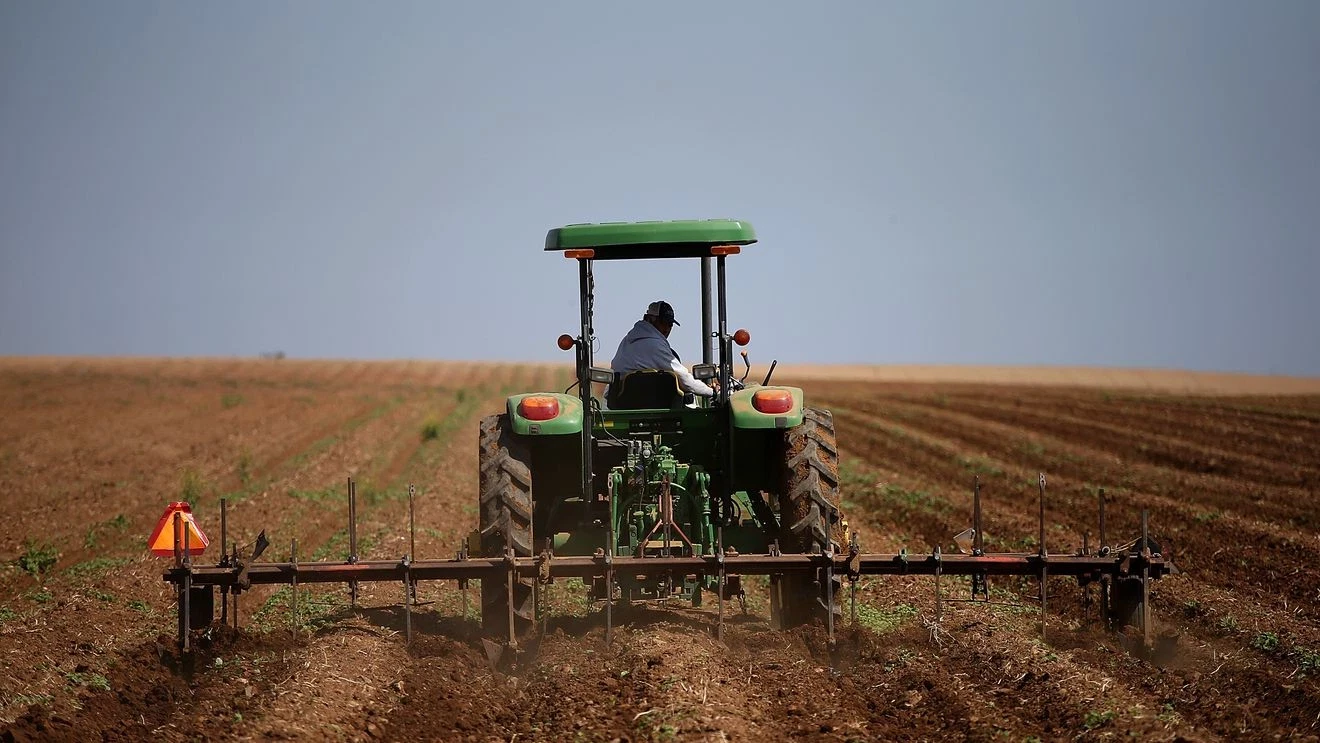
Farmers in Arkansas face a unique set of pressures, including unpredictable weather, fluctuating markets, and financial uncertainty. A new study from the University of Arkansas reveals that these stressors are linked to mental health issues among farmers in the state. The research surveyed over 600 farmers from 72 of Arkansas' 75 counties and utilized a CDC-recognized screening tool, identifying that approximately 20% of participants displayed elevated depressive symptoms.
Read More
While an elevated score indicates the potential need for further evaluation by a healthcare provider, the study did not equate these scores with clinical diagnoses. Additionally, about one-third of respondents reported experiencing some level of anxiety, and around 16% mentioned having contemplated suicide.
Lead researchers Dr. Don Willis and Dr. Kevin Fitzpatrick found a strong correlation between financial pressures and higher levels of depression symptoms, although they noted that causation has not yet been established. Dr. Willis emphasized the need for ongoing data collection to better understand the mental health landscape for farmers, suggesting that economic pressures may worsen without intervention.
The study also highlighted positive aspects, noting the strong support networks among farmers' friends and family, which are considered essential for mental well-being. The University of Arkansas Cooperative Extension Service, which has offices across all counties, aims to connect farmers with resources for financial risk management, estate planning, and mental health support.
Dr. Brittany Schrick, an associate professor with the Cooperative Extension Service, pointed out the challenge of raising awareness about available help in rural communities where individuals might be reluctant to seek outside assistance. She emphasized the significance of addressing mental health in isolated communities where farmers are accustomed to self-reliance.
The Cooperative Extension Service provides Mental Health First Aid training, suicide prevention programs, and COMET, a workshop designed to help community members engage in conversations with those facing mental health struggles. Furthermore, Tailgate Time, a new initiative launched this year in Northeast Arkansas, offers free mental health services specifically for those in agriculture, with statewide availability.
Farmers interested in available programs or wanting to learn more can reach out to their local county extension office.