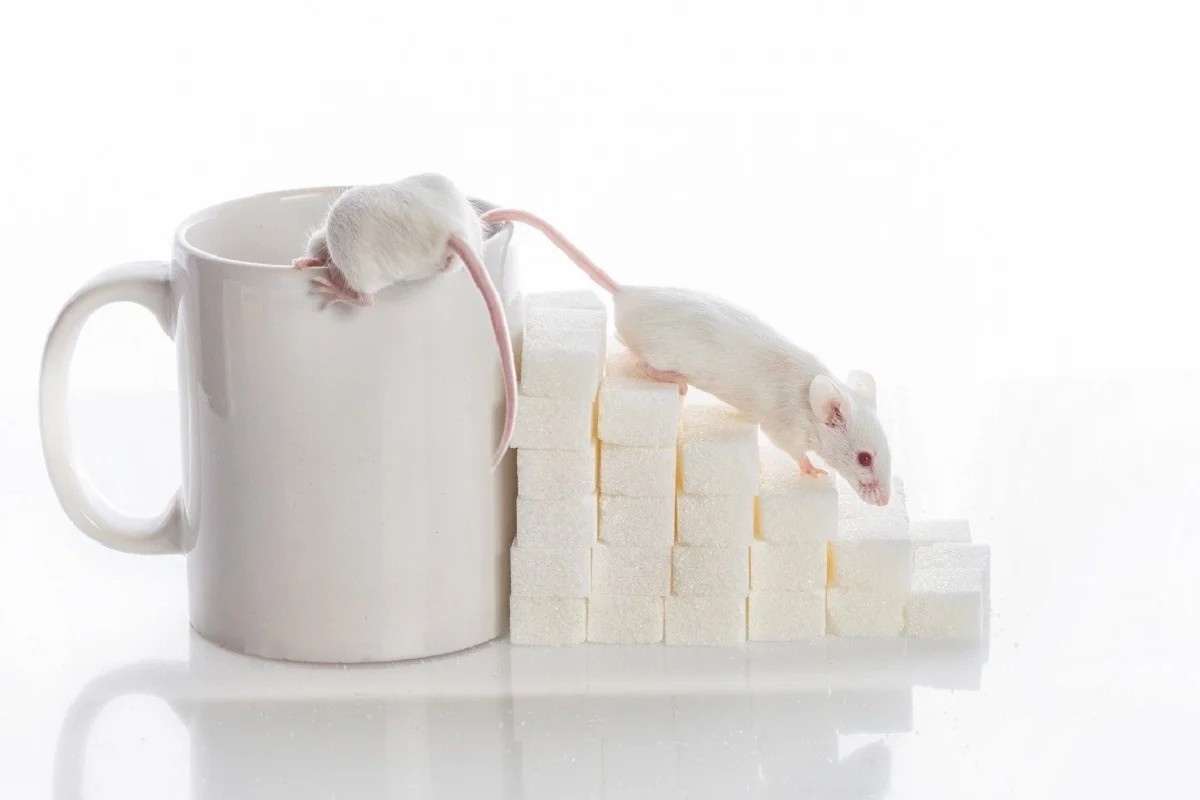
A recent study using a mouse model indicates that completely eliminating sucrose from a low-fat diet could disrupt gut health, resulting in inflammation and metabolic dysfunction. The preliminary research, led by Rasheed Ahmad, Ph.D., from the Dasman Diabetes Institute in Kuwait City, suggests that balanced nutrition may be more crucial than simply reducing sugar intake. However, the authors stress the need for further human clinical trials to confirm these findings.
Read More
The study revealed that removing sucrose did not lead to weight loss in the mice, but it was associated with gut dysbiosis, colonic inflammation, impaired glucose control, and changes indicative of fatty liver disease. Ahmad pointed out that these results challenge the notion that reducing sugar is inherently beneficial, emphasizing that dietary quality relies on the overall nutrient composition rather than the exclusion of a single ingredient.
Ahmad explained that the dysbiosis resulting from sucrose elimination likely compromised the mucosal immune balance in the mice's gut, increasing inflammation. This change was evidenced by a reduction in goblet cells, immune cell infiltration, and heightened inflammatory cytokine expression. He noted that these effects might be attributed to the compensatory increase in starch consumption aimed at maintaining caloric balance, suggesting the issues arose from shifts in carbohydrate composition rather than sucrose removal alone.
Over a 16-week period, researchers compared the effects of a sucrose-free low-fat diet to a sucrose-containing low-fat control diet among two groups of mice. Ahmad reported that removing sucrose likely altered the availability of fermentable carbohydrates vital for a stable gut microbial ecosystem. The most significant change observed was a decrease in gut bacterial diversity among the mice on the sucrose-free diet, linked to a reduction in beneficial short-chain fatty acid (SCFA)-producing bacteria such as Lactobacillus murinus, Ruminococcus, and Lachnospiraceae. In contrast, inflammatory bacteria like Helicobacter ganmani and Alistipes spp. increased.
These alterations in the gut microbiome were consistently seen across the test subjects, with all samples from the sucrose-free group clustering distinctly apart from controls in microbiome analysis. The findings indicate that the absence of sucrose from the low-fat diet shifted the gut microbiome toward a less stable and more inflammatory state.
The study also assessed the impact of each diet on glucose tolerance, insulin sensitivity, metabolic hormone levels, and inflammation in the colon and liver. Despite similar body weights in both groups, mice on the sucrose-free diet exhibited impaired glucose control, insulin resistance, and gut microbial imbalance, highlighting the adverse effects of sucrose removal on gut microbiota and metabolic health.
These results underscore the importance of balanced carbohydrate intake for gut and immune health. Ahmad noted that until now, the effects of restrictive diets free from sugar had not been fully understood. He emphasized that these findings could potentially reshape dietary recommendations, urging a focus on maintaining a healthy gut microbiome rather than solely on sugar reduction.
Further research is needed, with future human studies designed to test sugar restriction within the broader context of carbohydrate composition in diets. Such studies should monitor body weight, glucose regulation, gut microbiome changes, inflammatory markers, liver health, and microbial metabolites like short-chain fatty acids. Ahmad highlighted the need to differentiate the impacts of sugar removal from those of substituting it with other carbohydrates or sweeteners.
While the study is yet to be published, findings were shared at the Endocrine Society's annual meeting, ENDO 2023, held in Chicago from June 13 to 16. Concurrently, research supporting the health benefits of sugar reduction continues to emerge, including studies indicating early-life sugar consumption reduction may lower the risks of cardiovascular conditions in adulthood.