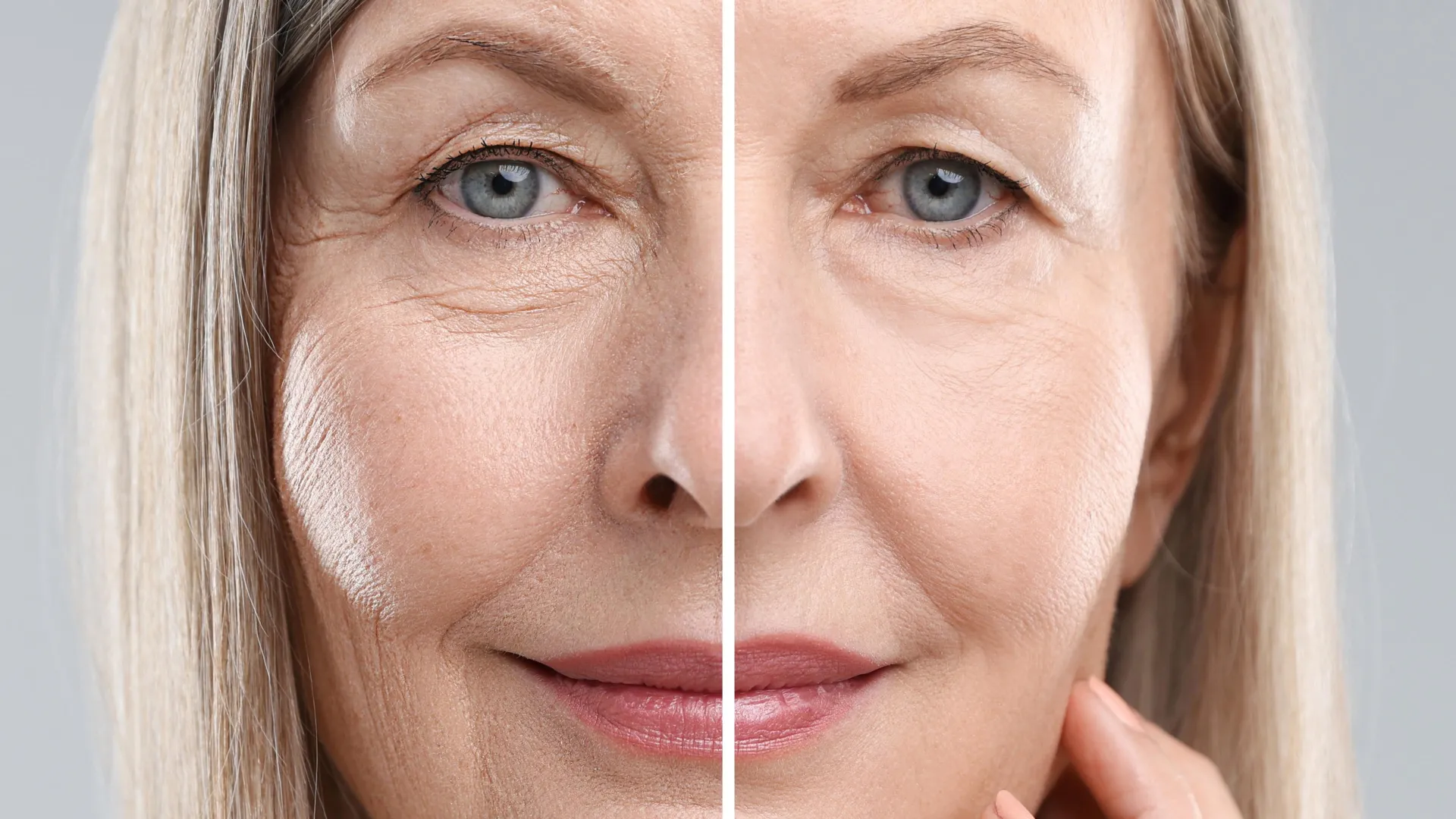
New research from the University of Sydney suggests that older adults may lower key markers of biological aging by altering their diets in just four weeks. The study focused on Australians aged 65 to 75 and found that those who reduced either dietary fat or animal-based protein displayed signs of a decreased biological age.
Read More
Biological age estimates how old the body appears based on health and physiological condition, rather than chronological age. The findings, published in Aging Cell and led by Dr. Caitlin Andrews, indicate that dietary modifications could influence aging-related health markers relatively quickly. However, the researchers caution that these findings are preliminary, and further studies are required to determine the long-term implications, including whether these changes reduce the risk of age-related diseases or can be replicated in younger populations.
Biological aging varies among individuals. Two people of the same chronological age might have different cardiovascular health, metabolism, and inflammation levels, impacting their resilience to age-related health issues. Scientists estimate biological age by analyzing biomarkers, which provide insights into health and physiological function.
In this specific study, researchers assessed participants based on 20 different biomarkers, such as cholesterol and insulin levels, to derive a biological age score for each individual involved in the Nutrition for Healthy Living study, conducted at the University’s Charles Perkins Centre.
The study included 104 participants, randomly assigned to one of four dietary groups. Each diet contained 14 percent of total energy from protein, with two being omnivorous and two semi-vegetarian. The omnivorous diets split macronutrients equally between animal and plant sources, while the semi-vegetarian diets prioritized plant-based protein. Participants’ body mass index (BMI) ranged from 20-35, with all individuals being non-smokers and free from serious health complications.
Results indicated that participants in the omnivorous high-fat group showed no meaningful changes in their calculated biological age. Conversely, the other three dietary groups, which included lower fat or higher carbohydrates, demonstrated a reduction in biological age metrics, with the omnivorous high-carbohydrate group showing the most significant improvements.
While the findings suggest that reducing dietary fat and animal-based protein may positively affect aging biomarkers, it is still uncertain whether these changes will be lasting. Researchers stress that longer-term dietary modifications are necessary to fully understand any potential impacts on age-related disease risk.
Associate Professor Alistair Senior emphasized the need for caution, indicating that while the study presents an encouraging early signal regarding dietary changes in later life, it does not provide definitive proof of extending lifespan or permanently slowing the aging process. Dr. Andrews highlighted the importance of future research to assess whether these findings can be generalized to other demographic groups.