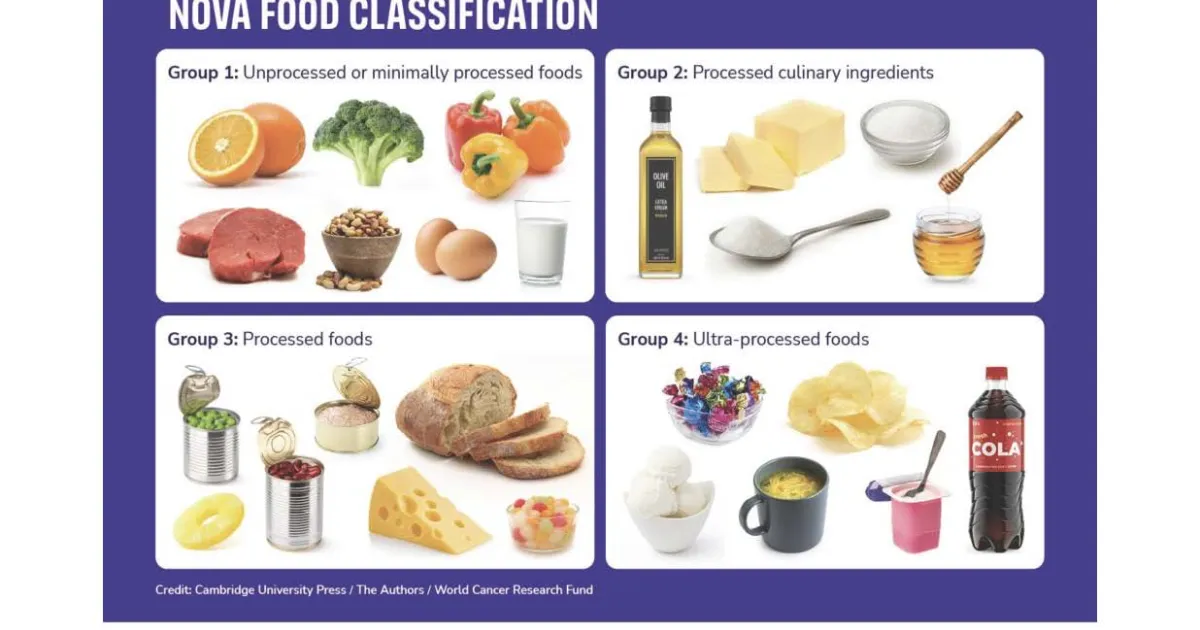
Ultra-Processed Foods (UPFs) have recently gained attention in nutrition discussions, often coupled with concerns about their health effects. Defined by the NOVA classification system, UPFs are foods that have undergone significant industrial processing, incorporating ingredients not typically found in a home kitchen. Examples include sugary cereals, packaged snacks, and ready-to-eat meals.
Read More
The NOVA system categorizes foods into four groups based on processing levels:
1. Unprocessed and minimally processed foods: Includes items like fruits, vegetables, grains, and meat without added ingredients.
2. Processed culinary ingredients: Refers to oils, fats, and sugars derived from processing.
3. Processed foods: These are modified versions of group one foods, such as canned vegetables or plain yogurt.
4. Ultra-processed foods: Characterized by multiple industrial alterations and often include additives and preservatives.
A key issue with UPFs is the wide range of products they encompass. For instance, a whole-grain breakfast cereal with added vitamins can share the classification with a sugary cereal containing artificial ingredients, although their nutritional values diverge significantly.
Research indicates that high consumption of certain UPFs is associated with negative health outcomes like heart disease. However, the relationship between health risks and processing level, specific ingredients, or overall dietary patterns remains under investigation. The Dietary Guidelines for Americans recommend limiting foods high in added sugars, sodium, and unhealthy fats—all common in ultra-processed products—while acknowledging the complexities of processing effects on health.
California has become the first state to pass legislation defining UPFs and aims to reduce their presence in school meals, recognizing the potential negative impacts on children's health.
In summary, while UPFs are a relevant topic in nutrition, it's crucial to adopt a broader view of dietary patterns rather than fixating on individual food categories. Individuals should focus on maintaining a balanced diet rich in fruits, vegetables, whole grains, and various protein sources, while remaining aware of the nutritional content in packaged foods. Exploring how to read nutrition labels and making informed food choices can facilitate better health without becoming overwhelmed by dietary trends.