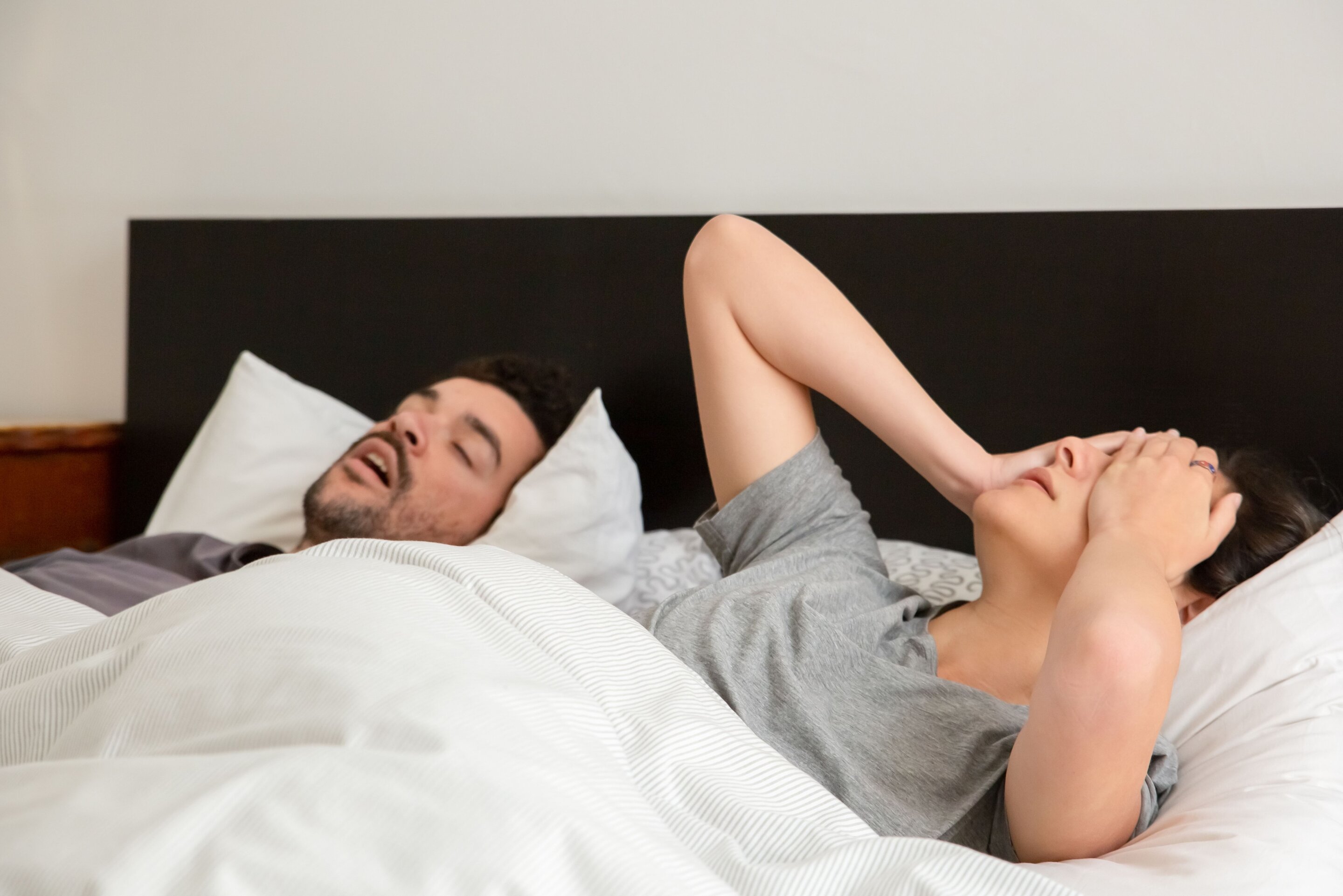
Obstructive sleep apnea (OSA) affects one in eight people globally, disrupting sleep due to blockages in the upper airway that can lead to frequent awakenings. Researchers have investigated how GLP-1 receptor agonists, commonly used for weight loss and diabetes management, can be leveraged to alleviate OSA symptoms.
Read More
Findings from six meta-analyses reveal that these medications reduce breathing interruptions by 5.7 to 21.9 events per hour. In major Phase III trials, the drug tirzepatide led to a 50% to 63% decrease in apnea-hypopnea index (AHI), resulting in approximately 20 to 24 fewer nightly interruptions. Notably, 42% to 50% of participants achieved complete disease remission.
The improvements largely stem from weight loss, which decreases fatty tissue around the throat, allowing the airway to remain open during sleep. If left untreated, sleep apnea can pose serious health risks, including high blood pressure, heart disease, and stroke. While the traditional treatment involves continuous positive airway pressure (CPAP), adherence is low, with only 30% to 60% of patients consistently using it. Additionally, obesity is a prevalent factor in 60% to 70% of OSA cases.
Historically, treatment focused on mechanically maintaining airway openness, neglecting the underlying obesity issue. The approval of tirzepatide as the first FDA-sanctioned medication for moderate to severe sleep apnea in patients with obesity in December 2024 represented a significant shift.
A comprehensive review published in JAMA Otolaryngology—Head & Neck Surgery involved analyzing studies from major databases, revealing substantial reductions in AHI with GLP-1 receptor agonists, particularly tirzepatide. Within one year of treatment, remission rates improved to 42% to 50%, compared to just 14% to 16% for placebo groups.
Research indicates that beyond weight loss, GLP-1 medications may enhance breathing by modifying neural responses and inflammation, which helps maintain throat muscle firmness during sleep. However, weight regain after discontinuation of the drug could diminish long-term effectiveness, and the benefits primarily pertain to those with obesity-related apnea.
While GLP-1 drugs show promise, CPAP remains the more effective treatment for stopping breathing interruptions (about 31 events per hour), compared to tirzepatide's 22 events. Experts suggest using GLP-1 medications as an adjunct to CPAP therapy, pending further studies on their long-term safety and health impacts.