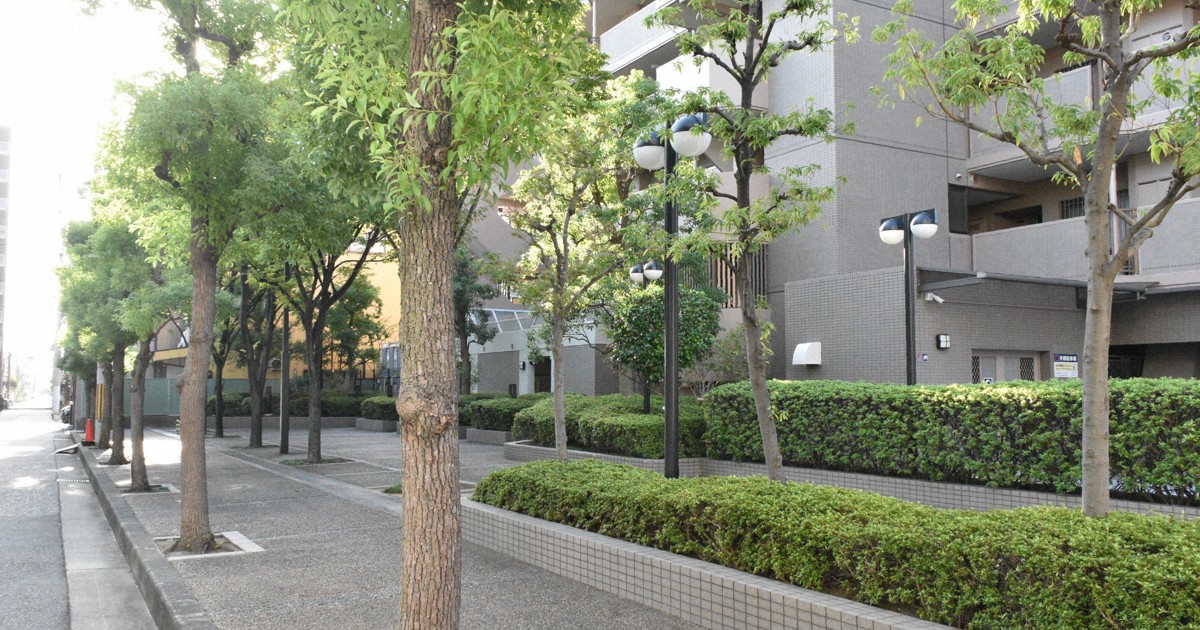
Residents of streetscapes characterized by a visual "sense of enclosure" provided by buildings and trees experience higher-quality sleep, according to research from Japan. Daisuke Matsushita, a professor of residential environment studies at Osaka Metropolitan University, noted that while sleep studies typically focus on medical factors, the surrounding environment may significantly influence sleep quality.
Read More
Matsushita and his team examined the connection between landscape features near homes and sleep quality by surveying 1,089 individuals aged 40 to 59 who commute to central Tokyo. The researchers utilized approximately 210,000 images from Google Maps' Street View, analyzing them with artificial intelligence to categorize visual elements into buildings, sky, trees, and more.
They measured several factors, including the "sense of enclosure," which reflects the amount of vertical elements in the field of vision; the "green visibility ratio," indicating the presence of greenery; and "visual walkability," assessing pedestrian-friendly features like sidewalks. The team also trained AI on 1.55 million data points, evaluating how over 90,000 people perceived their streetscapes in terms of safety, liveliness, and beauty.
Combining international sleep assessment methods with self-reported sleep durations, the study revealed that individuals living in areas with a strong sense of enclosure reported fewer insomnia symptoms and longer sleep duration. Moreover, streetscapes rated as safer were linked to increased sleep time.
Matsushita emphasized the significance of these findings for urban planning, suggesting that environments with narrower roads, ample greenery, and moderate traffic may facilitate better health and sleep. The research was published in an international academic journal focused on architecture and the environment.