CHARLOTTE, N.C. - Many Americans rely on prescription medications to manage mental health conditions, but those with severe depression or post-traumatic stress disorder (PTSD) may need alternative solutions. Some individuals are finding relief through psychedelic-like treatments. Following an executive order by President Donald Trump to accelerate research on several psychedelic drugs, new therapeutic options may soon emerge.
Read More
Logan Curtis, who has faced anxiety, depression, and panic attacks linked to childhood trauma, describes his struggle over the past 25 years. He has experienced talk therapy and taken various antidepressants like SSRIs but sought more than merely managing his symptoms. "I don’t want to just exist," Curtis remarked.
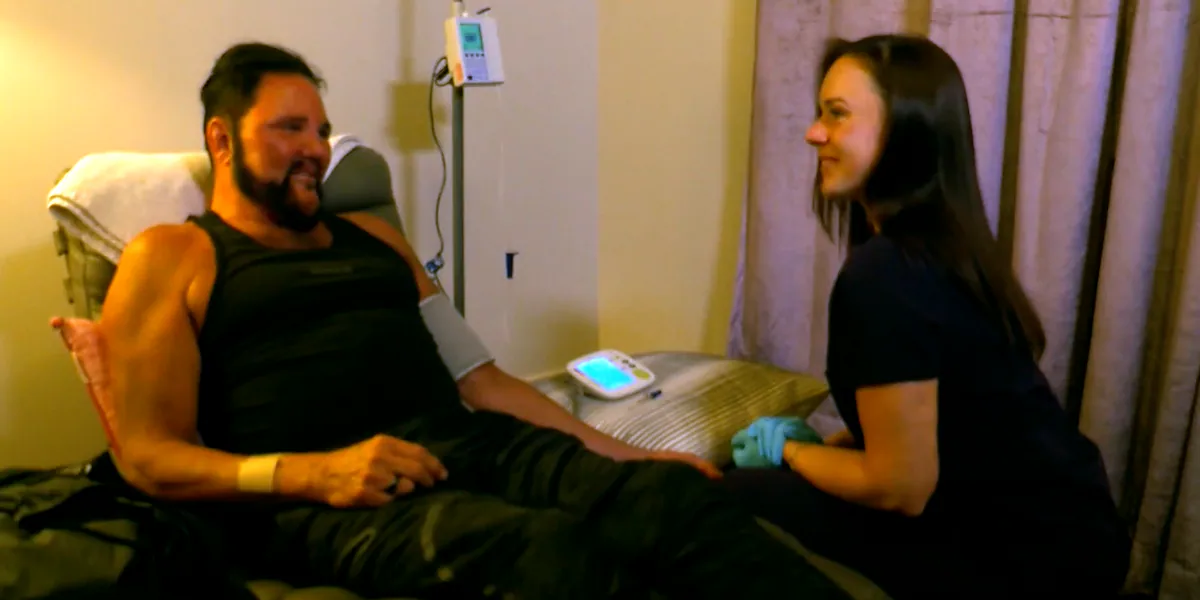
His journey toward alternative treatment began three months ago when he viewed a documentary on innovative therapies, which led him to seek ketamine treatment at Derive Health in Charlotte. Currently, ketamine is the only legal psychedelic medication utilized in clinical settings in North Carolina for treatment-resistant depression.
Dr. Jonathan Leake, who has worked with ketamine for a decade, emphasized the medication's safety when provided with medical supervision. Ketamine is administered via IV over multiple sessions. "You really are seeing people that have suffered, and then over six weeks, they’re kind of transforming before your eyes," Leake noted.
The Food and Drug Administration is expediting reviews of three other psychedelic drugs for PTSD, major depressive disorder, and treatment-resistant depression. The president’s order aims to relax restrictions on research involving psychedelics like ibogaine, which, unlike ketamine, is typically utilized in a single, intense session and carries greater heart-related risks.
While most psychedelics remain federally illegal, some states, including Oregon and Colorado, have legalized certain therapeutic approaches. Gina Giorgio from the North Carolina Psychedelic Coalition highlighted the importance of state involvement in research and treatment delivery. She stated that while federal policies may speed up approvals, the execution depends heavily on state-level actions.
Giorgio noted the need for further research regarding safety and effectiveness but believes that this policy change could provide options for patients who have not achieved relief from traditional treatments. "We’re not saying that this is for everyone," she said. "But we’re saying it should at least be an option if people are not experiencing relief elsewhere."
If found safe and effective, some new treatments may be approved later this year but will be administered under medical supervision in clinical settings, not at home.