The term “gut microbiome” has gained attention amid the growing interest in nutrition and health. Experts highlight its significance, as the gut influences more than just digestion.
Read More
According to Dr. Sonya Hauser, an associate professor of nutrition at Russell Sage College, the gut microbiome is a community of trillions of bacteria residing in our digestive tracts. She emphasizes that while this may sound unappealing, these bacteria assist with digestion and play various other roles.
Hauser notes that the gut microbiome affects immunity, weight management, and brain function, including cognition and mood. The types of food consumed can significantly impact both the body and the bacteria in the digestive system.
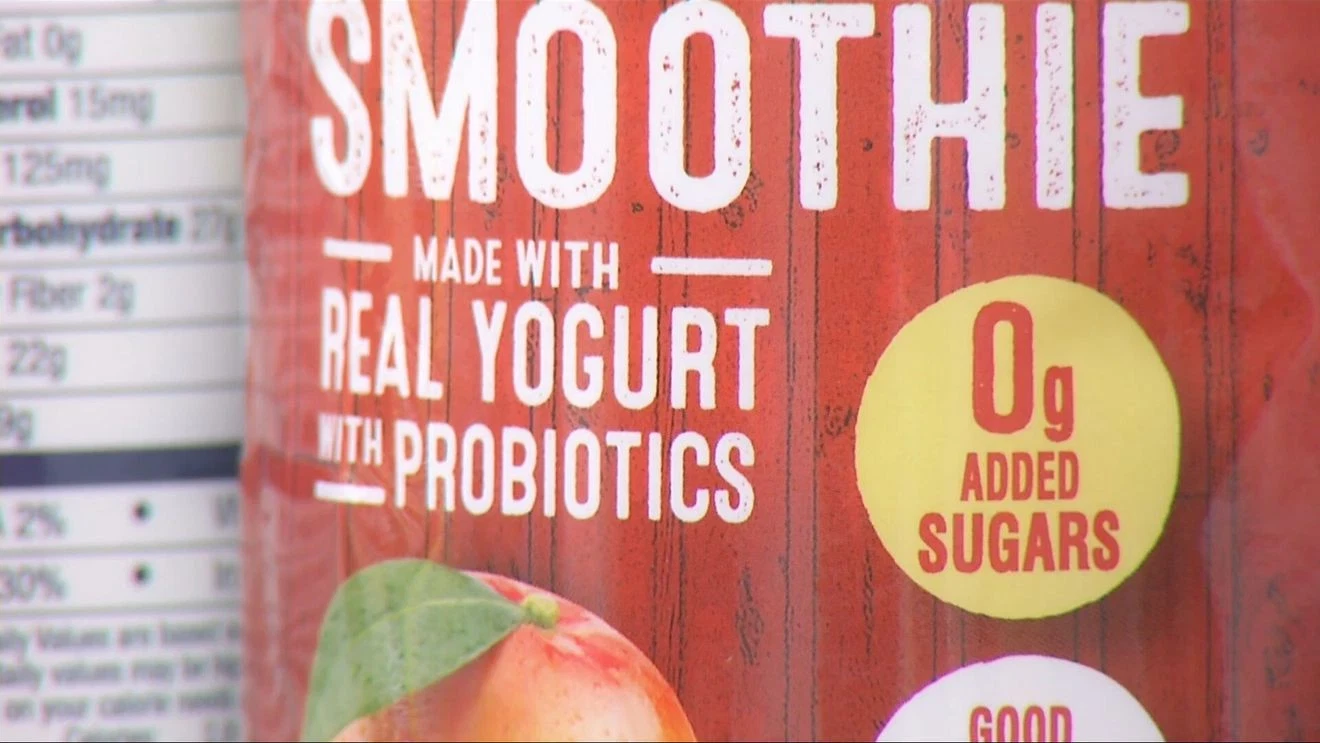
Two essential categories of food that support the gut microbiome are probiotics and prebiotics. Probiotics include fermented foods like kimchi and kombucha, while prebiotics consist of fibers found in plant foods, such as beans, legumes, nuts, whole grains, fruits, and vegetables, which nourish beneficial bacteria.
Research into the gut microbiome has expanded, revealing its connection to various bodily systems, especially the brain. Dr. Theresa DeLorenzo, an adjunct professor at Russell Sage College, explains the gut-brain connection, noting that serotonin is produced in the gut and must travel to the brain via the vagus nerve, requiring a healthy gut.
Once a healthy gut is established, DeLorenzo indicates that the body may naturally begin to crave healthier foods, aided by beneficial bacteria. Regular exercise is also beneficial for maintaining gut health.
Signs of an imbalanced gut microbiome can include digestive issues such as bloating or irregular stools. DeLorenzo describes dysbiosis, which occurs when harmful bacteria outnumber good bacteria.
Hauser adds that dietary variety is crucial for gut health. A diverse diet correlates with a more varied gut microbiome, leading to a healthier bacterial population.
Both experts caution against the reliance on probiotic supplements, which can be costly and lack regulation by the FDA. They suggest obtaining nutrients from whole, unprocessed foods as a preferable alternative.
CBS6 is exploring various nutrition topics in observance of National Nutrition Month.