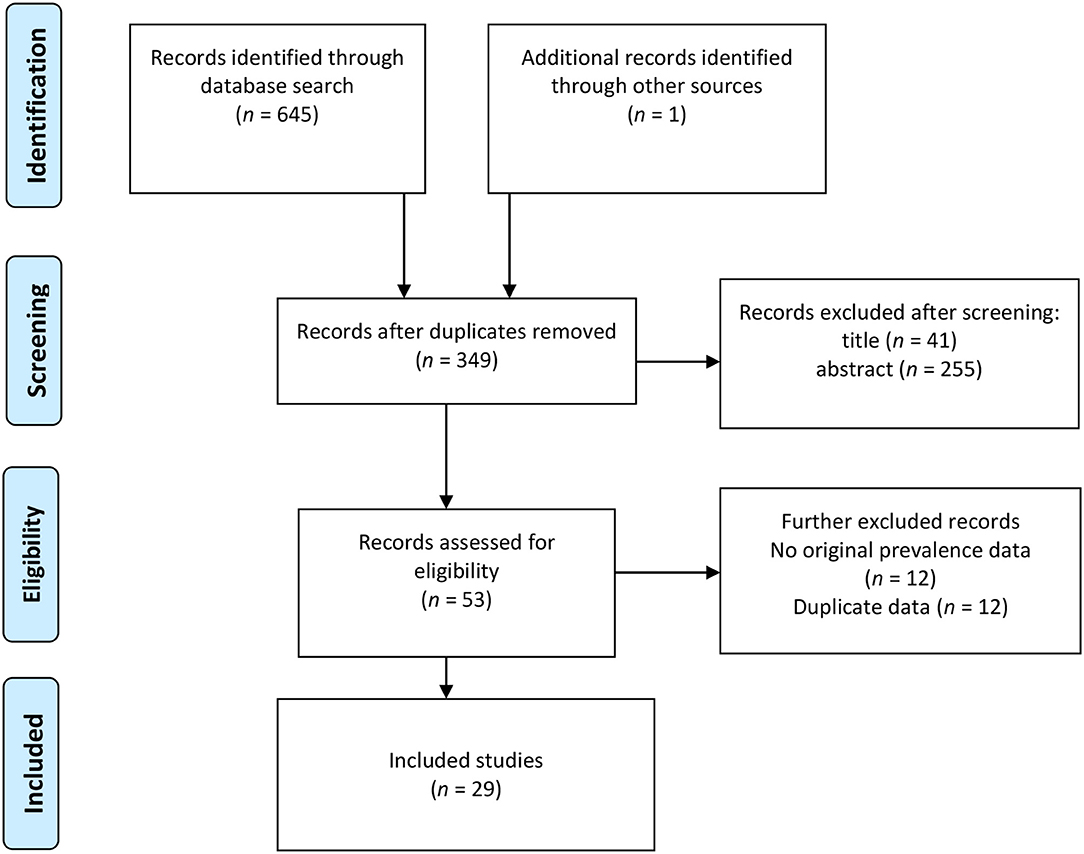
A systematic review and meta-analysis assessing the prevalence of shift work disorder (SWD) estimates that approximately 26.5% of shift workers are affected, based on data from 29 studies. The analysis aimed to consolidate existing research and identify factors influencing prevalence rates, but no similar comprehensive review had been conducted prior.
Read More
Researchers conducted systematic searches through platforms including ISI Web of Science, PsycNET, PubMed, and Google Scholar, yielding 349 unique records. The studies selected were published in English and provided original data on SWD prevalence among occupational samples. The meta-regression examined the relationship between SWD prevalence and several predictors, including diagnostic criteria, study country, worker type, and sample size.
The overall analysis revealed a significant heterogeneity in prevalence rates (I² = 98.5%), influenced notably by the diagnostic criteria employed and sample sizes. Specifically, studies using the International Classification of Sleep Disorders-3 (ICSD-3) reported lower prevalence rates than those utilizing the ICSD-2 criteria.
SWD is characterized by sleep disturbances linked to shift work that cause significant distress or impairment in social and occupational functioning. Shift workers often face health risks associated with their work schedules, including various metabolic, cardiovascular, and psychosocial issues.
The study emphasizes the need for standardization in SWD diagnostic criteria to facilitate meaningful comparisons and improve future research methodologies. It also highlights the necessity for preventative measures and treatment protocols aimed at managing SWD effectively.