In late August, California lawmakers unanimously approved a proposal to establish the 'Non-Ultraprocessed Certified' seal, the first of its kind in the United States. This voluntary label, which is modeled after the USDA's 'Organic' certification, will allow manufacturers to stamp qualifying products. Additionally, large grocery stores will be required to ensure such products are easily identifiable.
Read More
As of September 8, the legislation awaits Governor Gavin Newsom's approval, with a deadline for his decision set for September 30. If signed into law, the seal will take time to implement; California's health department has until June 1, 2029, to accredit certifying agents, and a definition of ultra-processed food, which is currently being developed, will determine eligibility.
On a parallel path, the federal government is also addressing this issue. On August 10, the Department of Health and Human Services (HHS) and the USDA submitted a proposed definition of ultra-processed food to the Office of Management and Budget, although the details have yet to be made public.
Ultra-processed foods (UPFs) have become a rare bipartisan concern in public health, with advocates from various sides urging a reduction in their consumption. This push has gained traction under HHS Secretary Robert F. Kennedy, Jr.'s 'Make America Healthy Again' agenda. Current CDC data indicates that from 2021 to 2023, Americans aged 1 and older derived 55% of their calories from UPFs, with the figure rising to 62% among children and teens.
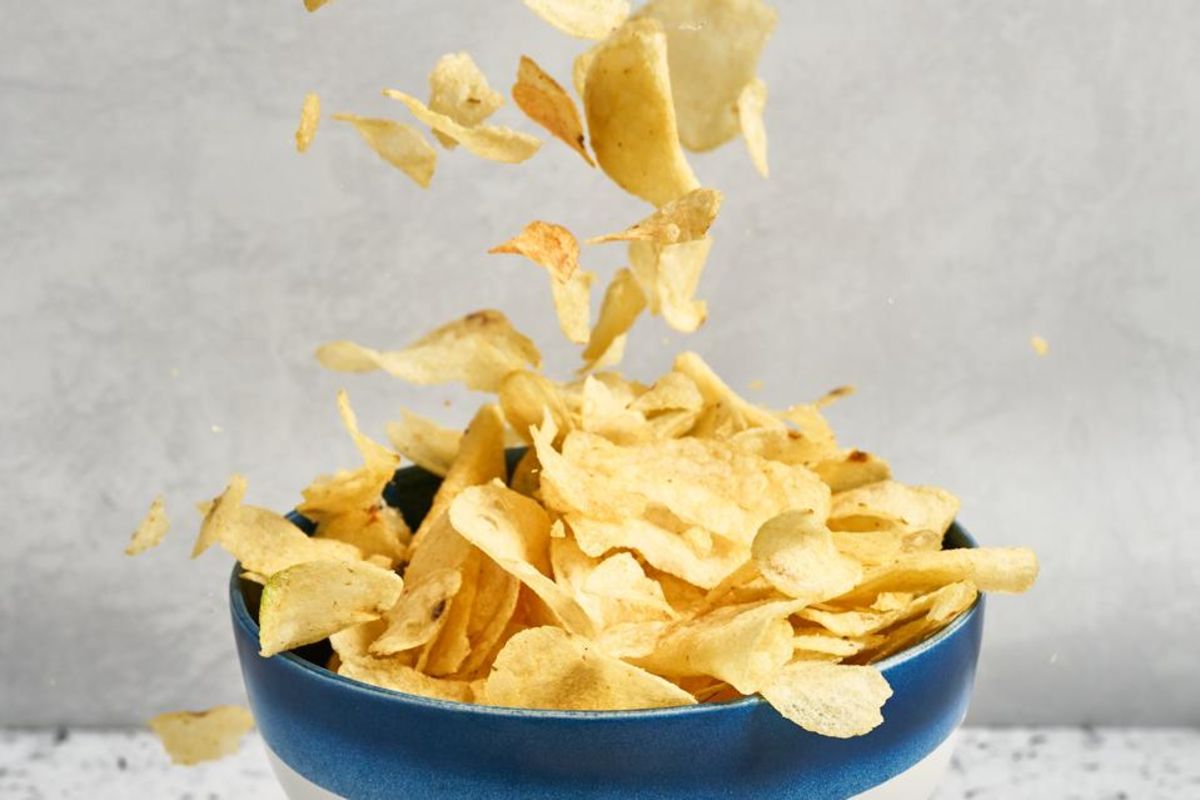
The rationale behind the proposed label lies in the challenges consumers face in distinguishing UPFs. While some items, like potato chips, are clearly ultra-processed, others are less obvious. For example, plain Greek yogurt with basic ingredients does not qualify as a UPF, whereas a flavored, fat-free yogurt packed with additives does.
The NOVA classification system, developed by Brazilian researchers, categorizes foods into four groups: minimally processed foods, processed culinary ingredients, processed foods, and ultra-processed foods. The intended label aims to clearly inform consumers about which items are not ultra-processed, helping them make healthier choices.
Despite the absence of a label, consumers can often identify UPFs by examining ingredient lists. Common markers of ultra-processing include terms like 'isolate,' 'hydrolyzed,' or 'modified starch,' and many ingredients may be unfamiliar to the average cook.
Research has shown that a diet lower in UPFs can lead to healthier outcomes. A study published in Nature Medicine involved 55 adults who followed both minimally processed and ultra-processed diets. Participants lost significantly more weight on the minimally processed diet and reported better control over cravings.
Moreover, the European Society of Cardiology acknowledged UPFs as an independent risk factor for heart disease in a clinical consensus statement. Adults with high UPF intakes face increased risks of cardiovascular disease and other health issues.
Critics of the NOVA system argue that classifying foods solely by manufacturing processes can lead to oversimplifications, such as grouping whole-grain bread with soda.
On a practical level, consumers can reduce UPF intake by making wise substitutions. For example, choosing plain Greek yogurt with honey over flavored varieties or opting for whole fruits instead of energy bars can be effective steps. Utilizing food scanning apps to analyze products or preparing meals at home can also encourage healthier eating habits.
In summary, while the 'Non-Ultraprocessed Certified' seal is still in development, consumers can take action now to reduce their intake of ultra-processed foods.