BUTTE, Mont. — Community leaders in Butte have initiated a mental health and suicide prevention program on the Montana Tech campus in response to a troubling increase in local suicides. The Butte-Silver Bow Community Action Team is spearheading this initiative to enhance mental health intervention and awareness.
Read More
Brittany Masters, a prevention specialist for Butte Cares, emphasized the communal purpose of the initiative, stating, “Everybody is coming together for a greater purpose and good. It shows that we all have an investment in wanting to help support our community and the people who live here so they have the proper tools for wellness, and they know how to identify when somebody is in crisis.” Masters added that access to necessary resources enhances community responses and overall societal health.
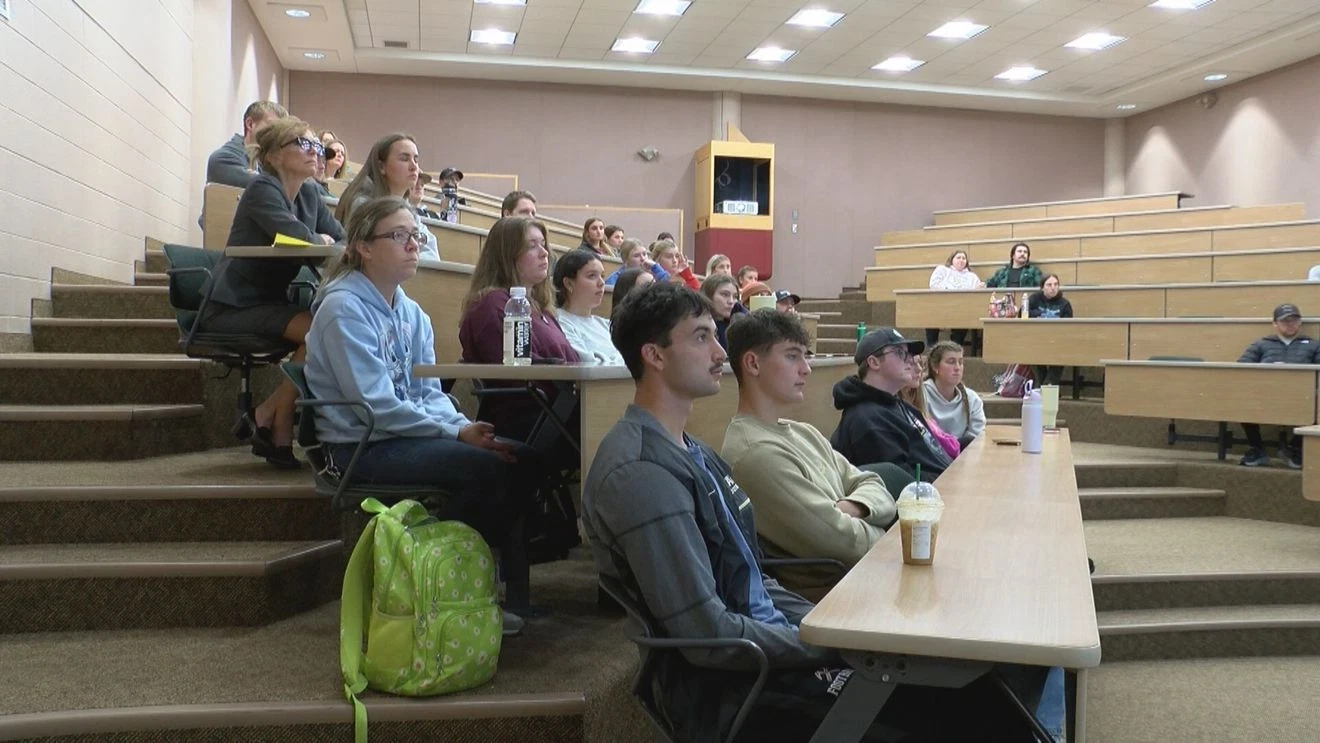
The first training event was held on Tuesday evening, led by suicide prevention trainers from across Montana, attracting dozens of attendees, including students and community members. The session focused on QPR, which stands for Question, Persuade, Refer, and is likened to CPR for mental health. The training teaches participants how to recognize warning signs of suicide and how to respond appropriately.
“It’s no different than calling 9-1-1. You see a problem happening, you know to call 911. Sometimes when it comes to mental health, it’s not as black and white, and you don’t know what to do. This particular training for QPR really gives people the tools to utilize so they know how to respond appropriately,” said Masters.
Montana Tech student leader and ambassador Brooke Badovinac remarked on the challenges of discussing mental health, expressing her hope that her platform can encourage those in need to seek help, reminding them that they are not alone.
Participants received a pamphlet with additional information on QPR and available resources. To arrange a QPR training session in Butte-Silver Bow, interested individuals can contact Samantha Patrick from the Butte-Silver Bow Health Department, Kellie Kahtani from MSU Extension, Shari Charron with Intermountain Health St. James Hospital, or Brittany Masters.
Masters noted that the goal of the Community Action Team is to meet individuals where they are, stating that QPR training only requires one hour. The team plans to return to the campus later this school year to provide additional training on addressing trauma from adverse childhood experiences.
For those in crisis, assistance is readily available by calling or texting 988 to reach a trained crisis counselor for free and confidential support, 24/7.