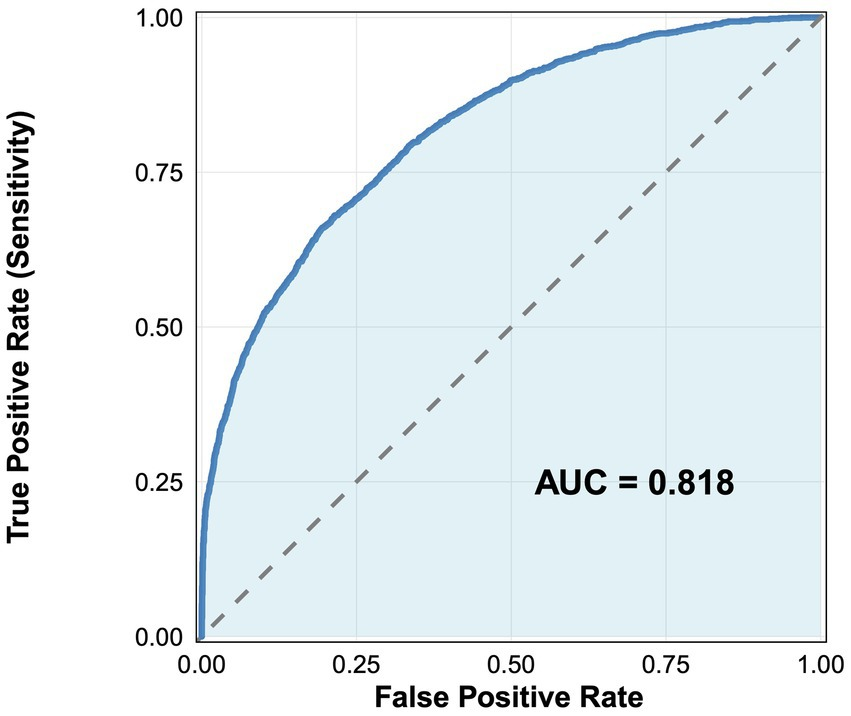
A recent study conducted among undergraduates in Jiangsu, China, identified key factors that influence sleep quality. The research, which utilized a cross-sectional online survey between October and November 2022, included 7,062 valid participants whose average age was 20.1 years. Sleep quality was measured using the Pittsburgh Sleep Quality Index (PSQI), with scores above 7 indicating poor sleep quality.
Read More
The findings revealed a 26.5% prevalence of poor sleep quality among the participants. Mental health was highlighted as the most significant factor affecting sleep, with better mental health correlating with higher sleep quality. Specifically, the analysis showed that individuals with good mental health had a beta coefficient of -0.853 (95% CI: -1.079 to -0.627, p < 0.001), indicating a strong association with better sleep quality. In contrast, smartphone dependence (MPAI) exhibited a positive association with poorer sleep quality (β = 0.043, 95% CI: 0.038 to 0.048, p < 0.001), as did a noisy dormitory environment (β = 0.627, 95% CI: 0.420 to 0.835, p < 0.001).
Other notable findings included smoking (β = 0.496, 95% CI: 0.276 to 0.716, p = 0.002), drinking (β = 0.594, 95% CI: 0.420 to 0.768, p < 0.001), and the quality of interpersonal relationships (β = -0.172, 95% CI: -0.251 to -0.094, p = 0.002) as significant contributors to sleep quality. Using a combined analytical approach of Partial Least Squares Regression (PLSR) and eXtreme Gradient Boosting (XGBoost), researchers effectively captured both linear and nonlinear associations.
The integrated framework helped to account for multicollinearity without discarding variables, providing comprehensive insights into various factors influencing sleep quality, including demographic, academic, and digital lifestyle aspects. The study underscores the urgent need for tailored interventions targeting mental health support, smartphone usage, and dormitory noise management to enhance sleep quality among university students.