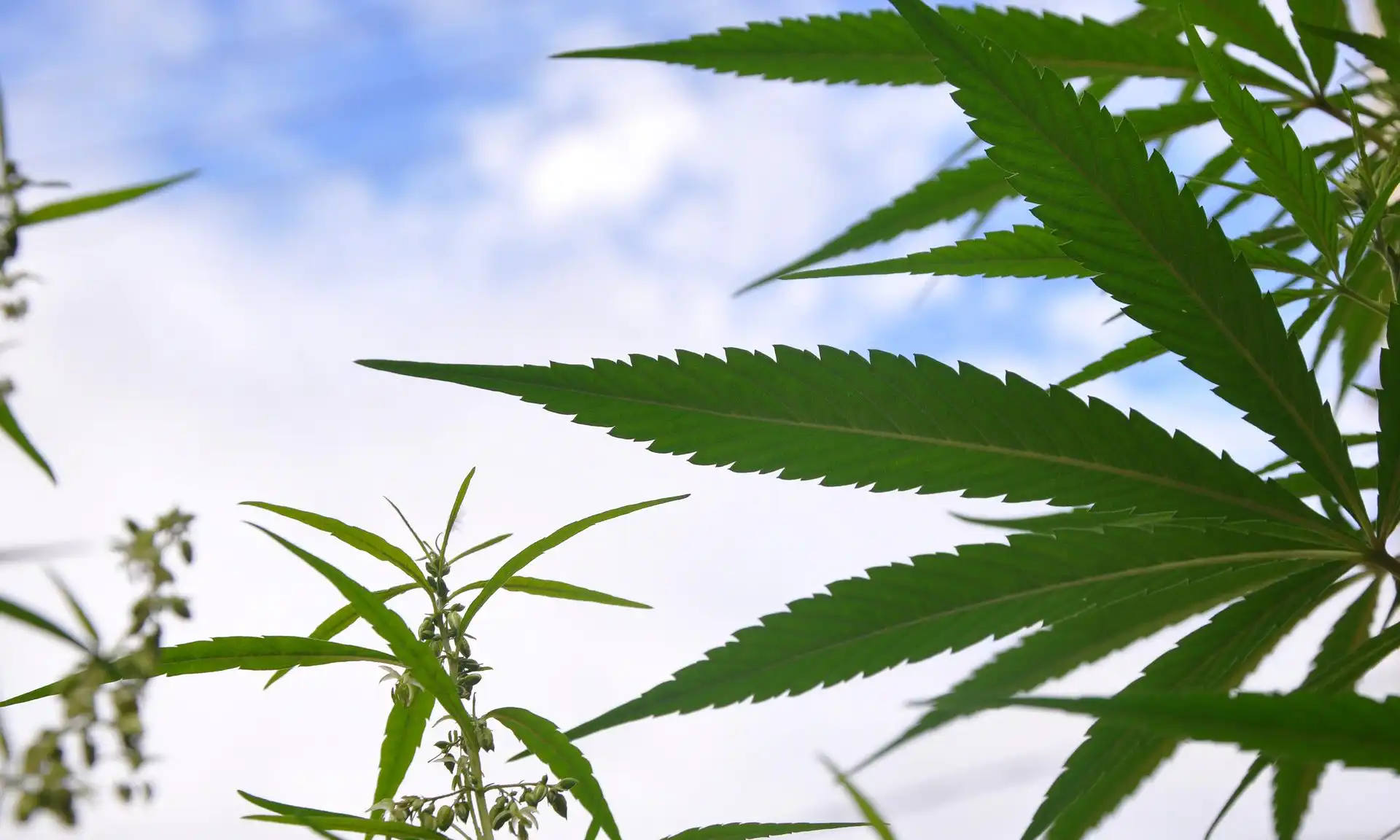
A recent study has found that medical marijuana effectively improves pain, insomnia, and mood or behavioral symptoms in 91 percent of older adults. The research involved 124 participants aged 65 and older who received cannabis treatment from a specialized practice in Colombia. Their symptoms were measured at baseline, and 44 underwent a follow-up visit after three months.
Read More
Most participants were first-time marijuana users, presenting primarily with pain-related ailments, musculoskeletal disorders, cancer, and various neurological conditions. Their main goals for using medical cannabis were to relieve pain, mood issues, insomnia, and motor symptoms.
The study utilized a four-point scale to record the severity of symptoms, classified by their impact on daily living activities. Researchers reported significant reductions in symptom severity across the three primary domains, with about 90 percent of patients experiencing symptom improvement defined as a decrease of at least one point from baseline.
Improvements were first noted at the second visit for 67.7 percent of patients with pain, 65.4 percent dealing with insomnia, and 73.9 percent with mood or behavioral issues, typically within one to three months after starting treatment. Data showed consistent symptom severity reductions across follow-up visits, with no patients experiencing worse symptoms.
While complete resolution of symptoms was rare, some patients reported significant relief. The doses of cannabis administered were relatively low, often just a few milligrams of THC, CBD, or CBG daily, primarily in oral oil-based forms.
The study, funded by the European Union, also found no significant increase in overall medication use, although 25 percent of participants reduced or discontinued other medications after starting cannabis treatment. The research indicates a favorable trend in managing the three predominant symptoms—pain, insomnia, and mood or behavioral difficulties—during routine cannabis treatment.
Researchers noted that while causality cannot be determined due to the observational nature of the study, they plan to conduct further research with larger cohorts in Colombia, Argentina, and Chile. This aims to improve statistical power and evaluate treatment effectiveness across various healthcare settings.
Additionally, a separate study by the American Medical Association (AMA) highlights a rising trend of older adults turning to cannabis for symptom management, often as an alternative to traditional pharmaceuticals. The AMA has acknowledged the potential therapeutic benefits and risks of marijuana use among older populations as legalization becomes more widespread.