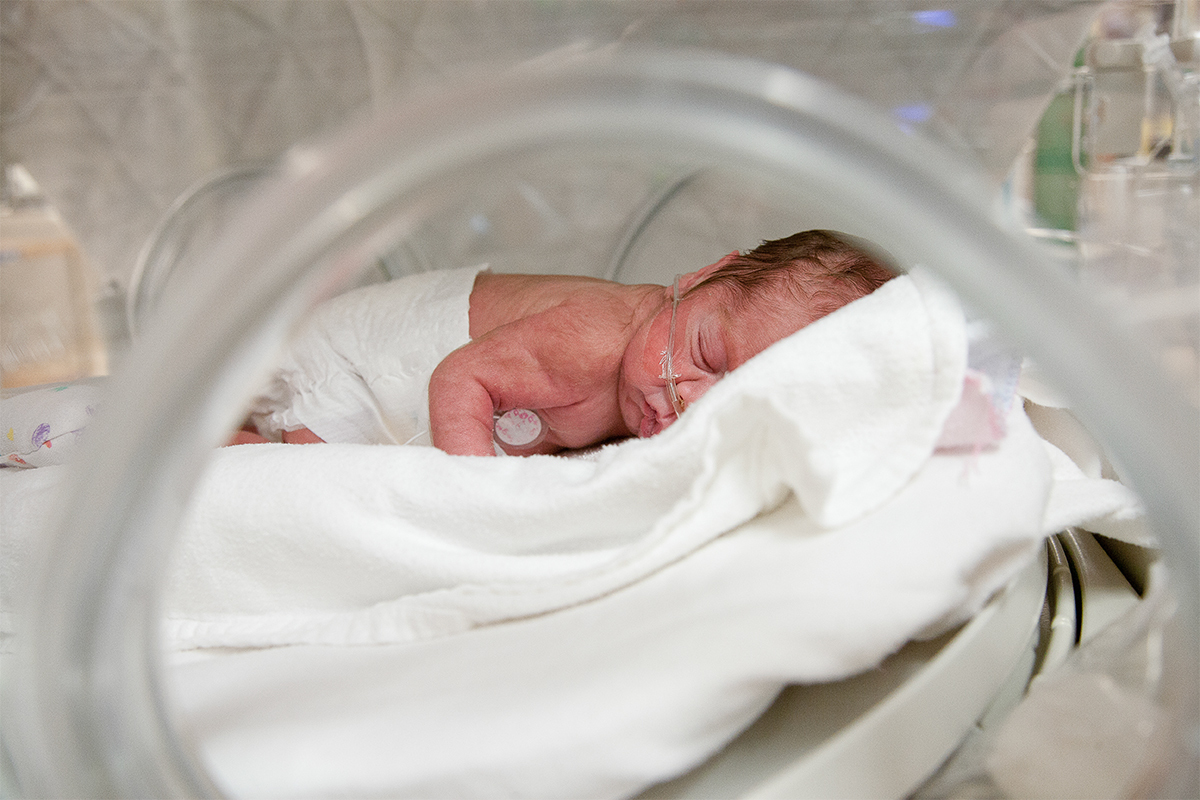
A new multi-center study led by researchers from Washington University School of Medicine in St. Louis and Michigan Medicine reveals that breathing problems during sleep are common yet often undetected in infants with spina bifida, particularly those who have undergone surgery for myelomeningocele, the most severe form of the condition. This discovery raises the possibility that early intervention could enhance cognitive development in these high-risk babies.
Read More
The research indicates that over half of newborns with myelomeningocele experience sleep-disordered breathing, a finding that significantly shifts the understanding of when these issues begin. Renée Shellhaas, MD, lead author of the study and professor of neurology at WashU Medicine, emphasized that most affected infants would not have been identified without specialized sleep studies conducted before they were discharged from the hospital. "This research demonstrates how bringing together expertise from multiple specialties can identify critical but previously overlooked opportunities to improve outcomes for vulnerable infants,” she said.
Some participants were treated at St. Louis Children’s Hospital, where pediatricians from WashU Medicine now plan to implement screenings for sleep-disordered breathing among newborns with spina bifida. The hospital’s Spina Bifida Clinic is geared toward providing comprehensive care to these patients, including a focus on early interventions.
Myelomeningocele occurs when the spinal column fails to develop properly, affecting about three out of every 10,000 births in the U.S. Although surgery during pregnancy or shortly after birth can improve motor outcomes, patients remain susceptible to social and cognitive challenges as they grow.
Older children with this condition often face sleep-disordered breathing, which can manifest as obstructive or central sleep apnea. If untreated, these breathing issues can disrupt sleep and lead to significant deficits in cognitive functions, such as attention and executive function.
Coauthor Ronald Chervin, MD, highlighted the importance of this study, noting that sleep-disordered breathing can contribute to both behavioral and cognitive difficulties but has not been adequately studied in newborns. “This study addresses a critical gap in our understanding,” he stated.
The study, published in Pediatrics on January 23, involved a collaboration of experts from nine centers across the U.S. Researchers measured various physiological indicators from 173 newborns who had surgery for myelomeningocele. The study’s results indicated that preterm infants are particularly at risk for sleep-related breathing problems, underscoring the need for early intervention.
Shellhaas noted that early diagnosis and treatment of sleep-disordered breathing could significantly impact cognitive development for these infants, offering hope for improved outcomes for their families. The research team plans to continue monitoring participants until they reach two years of age to evaluate the long-term effects of early identification and treatment.
Ultimately, this study on newborns with myelomeningocele could lead to broader initiatives aimed at diagnosing and treating sleep-related breathing problems in at-risk infants, potentially protecting and enhancing their neurodevelopment.