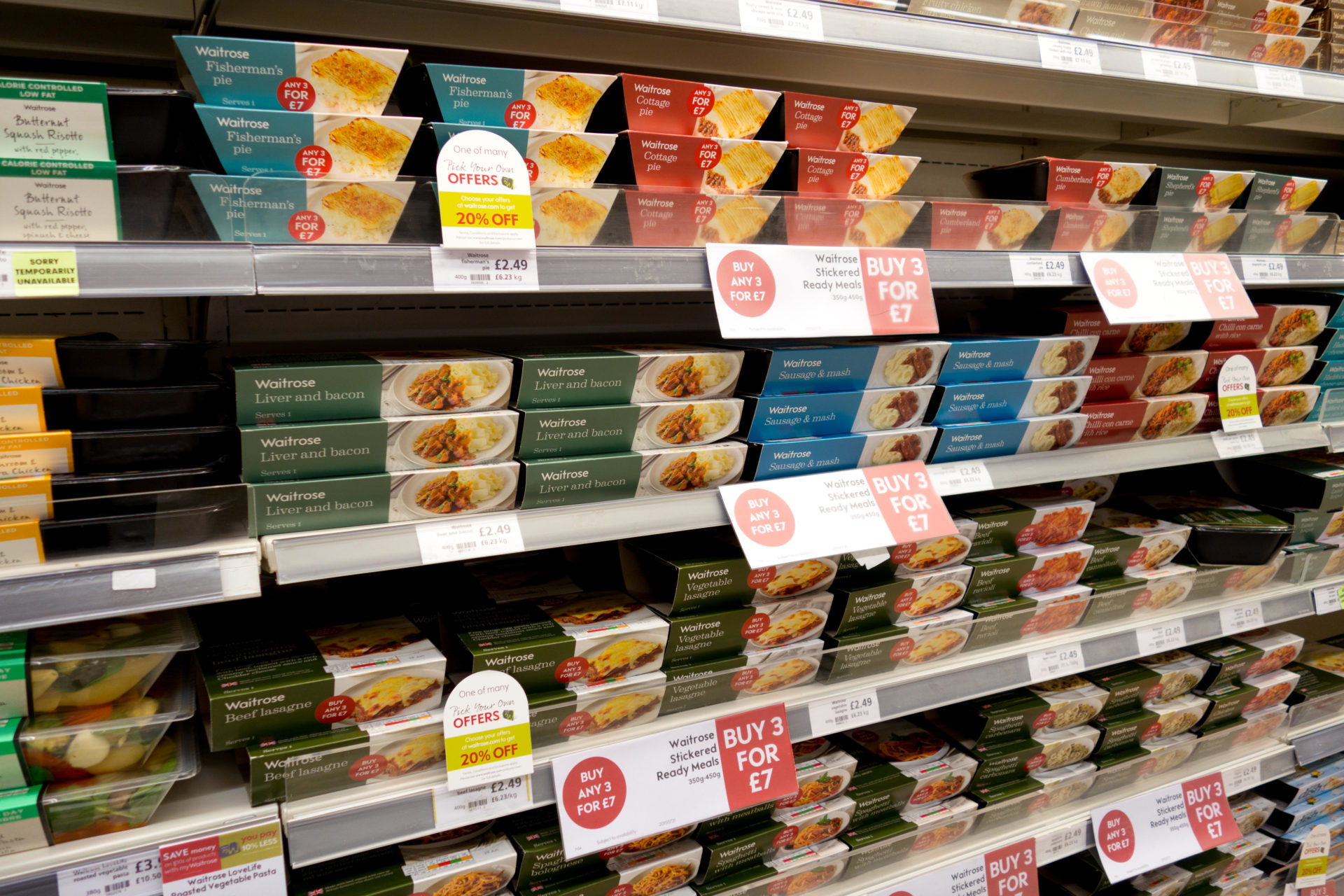
Ultra-processed foods account for approximately 35% of the average Irish diet, lower than the 50% observed in the United States but higher than in many other nations. These foods range from packaged bread and breakfast cereals to ready-made meals, snacks, and soft drinks.
Read More
A recent analysis involving over 8.8 million people has revealed that higher consumption of ultra-processed foods is linked to increased risks of various health issues, including heart disease, diabetes, cancer, and premature death. Despite existing labeling practices, there are calls for clearer warnings regarding ultra-processed foods.
On The Pat Kenny Show, Professor Luke O'Neill highlighted that countries with more explicit labeling have experienced reduced consumption of these foods. He stated, "If it's explicit, then you might go, 'Oh, I'll have less of that' or 'I'll try something a bit different.'" An example cited is Chile, which introduced a traffic light labeling system, marking ultra-processed foods clearly. This initiative reportedly led to a decrease in consumption as consumers became more informed.
The UK also conducted a pilot program with distinct labeling that achieved a similar outcome. There is growing pressure on food companies to enhance the clarity of information on their packaging.
France is another country experimenting with labeling, having implemented a "Nutri-Score" system that ranges from one (extremely nutritious) to five (lacking nutrition).
Research has shown that diets high in ultra-processed foods pose significant health risks. Those consuming these foods have a 24% higher risk of heart attacks and a 27% increased risk of depression and anxiety. Additionally, the research suggests a potential connection between high consumption of ultra-processed foods and dementia. Professor O'Neill remarked, "We think these ultra-processed foods are causing inflammation [in the brain] that can make dementia come on more quickly." He noted that while Ireland's consumption patterns put the country behind the U.S., they are ahead of places like China, where only 10% of diets comprise ultra-processed foods.